Practical Applications of Dimmers in Interior Lighting
Dimmers are often seen as mere convenience tools in interior lighting, but their practical applications extend far beyond simple brightness control. This article explores how dimmers can enhance atmosphere, energy efficiency, and overall user experience in various settings.
Understanding the Basics of Dimmers
Dimmers function by adjusting the voltage supplied to a light fixture. This adjustment not only alters brightness but also influences color temperature and ambiance. According to industry experts, using dimmers can lead to significant savings, as lighting typically accounts for about 15% of monthly energy bills in residential settings.

"Studies indicate that dimming lights can reduce energy consumption by up to 20-30%, depending on usage patterns and the type of lighting used."
Enhancing Atmosphere with Dimmers
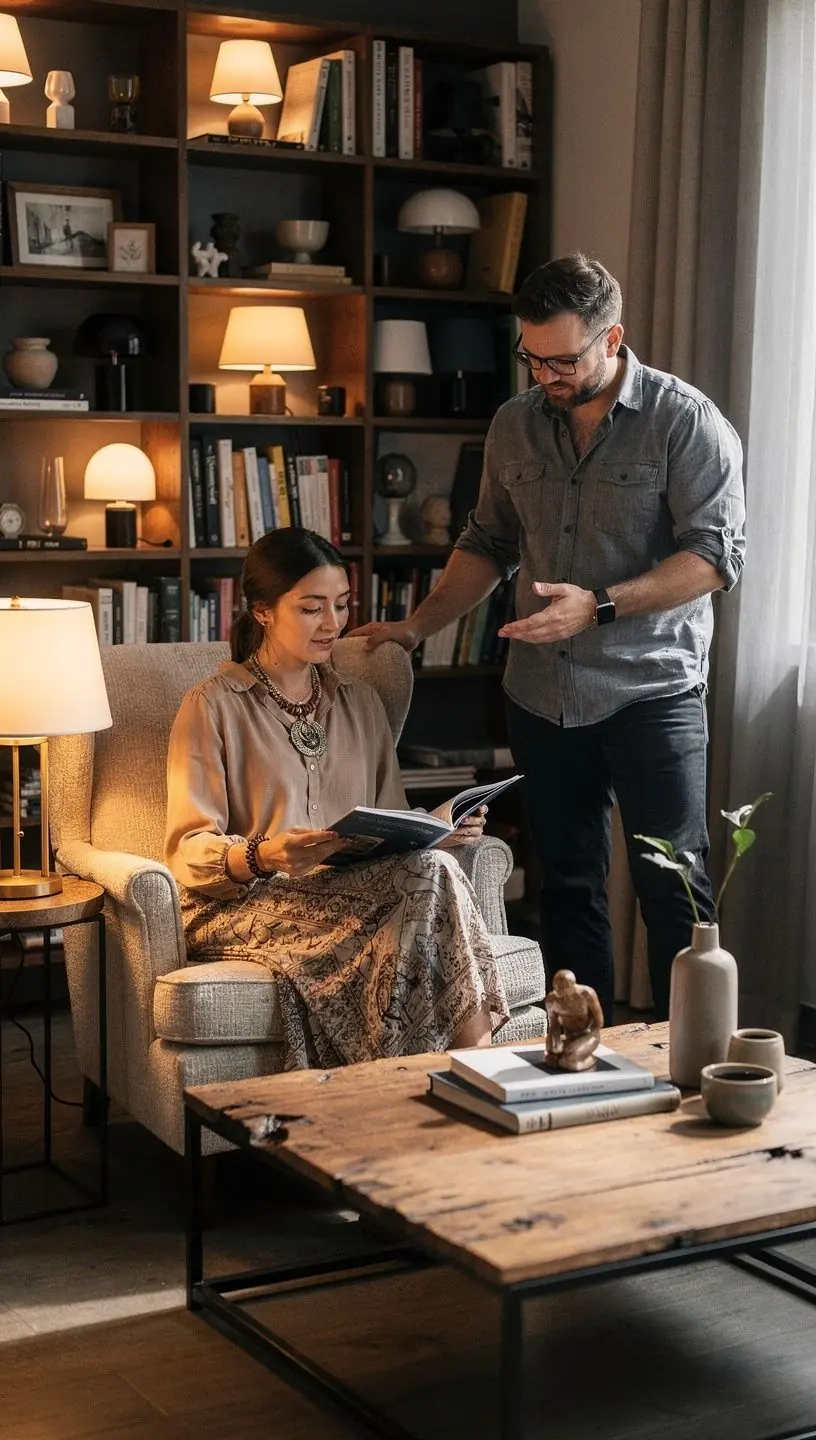
Creating the right atmosphere is essential in both residential and commercial spaces. Dimmers allow for flexible lighting settings suitable for different activities. For example:
- Dining Areas: Lower light levels during meals can encourage relaxation and conversation.
- Home Theaters: Dimming lights enhances the cinematic experience by eliminating glare and focusing attention on the screen.
- Workspaces: Studies show that softer lighting can reduce eye strain during prolonged use of computers, making it beneficial in office environments.
Energy Efficiency and Cost Savings
Utilizing dimmers not only creates a comfortable atmosphere but also contributes to energy conservation. In most cases, replacing standard switches with dimmers is a straightforward process that can be done by a qualified electrician. Research indicates that:
- Dimmers can extend the lifespan of light bulbs—particularly incandescent and halogen types—by reducing their operational hours.
- Many users report significant reductions in their energy bills, as less energy consumption directly correlates with lower costs.
- In new construction projects, integrating dimmable systems is becoming a standard practice in sustainable design.
Limitations and Considerations
While dimmers offer many advantages, there are some considerations to keep in mind:
- Compatibility: Not all lighting types are compatible with dimmers. For instance, LED and CFL bulbs require specific dimmers designed for those technologies.
- Initial Cost: Although the long-term savings can be significant, the upfront investment in dimmers and installation may require budgeting.
- Learning Curve: Users may need time to adjust to new lighting settings and find the optimal combinations for their spaces.
Conclusion
Dimmers offer practical applications that can transform interior lighting into a tool for enhancing atmosphere and promoting energy efficiency. By understanding how to effectively utilize dimmers, users can create spaces that are not only functional but also inviting. Whether you are considering a new installation or upgrading existing fixtures, the integration of dimmers can be a valuable addition to your lighting design.