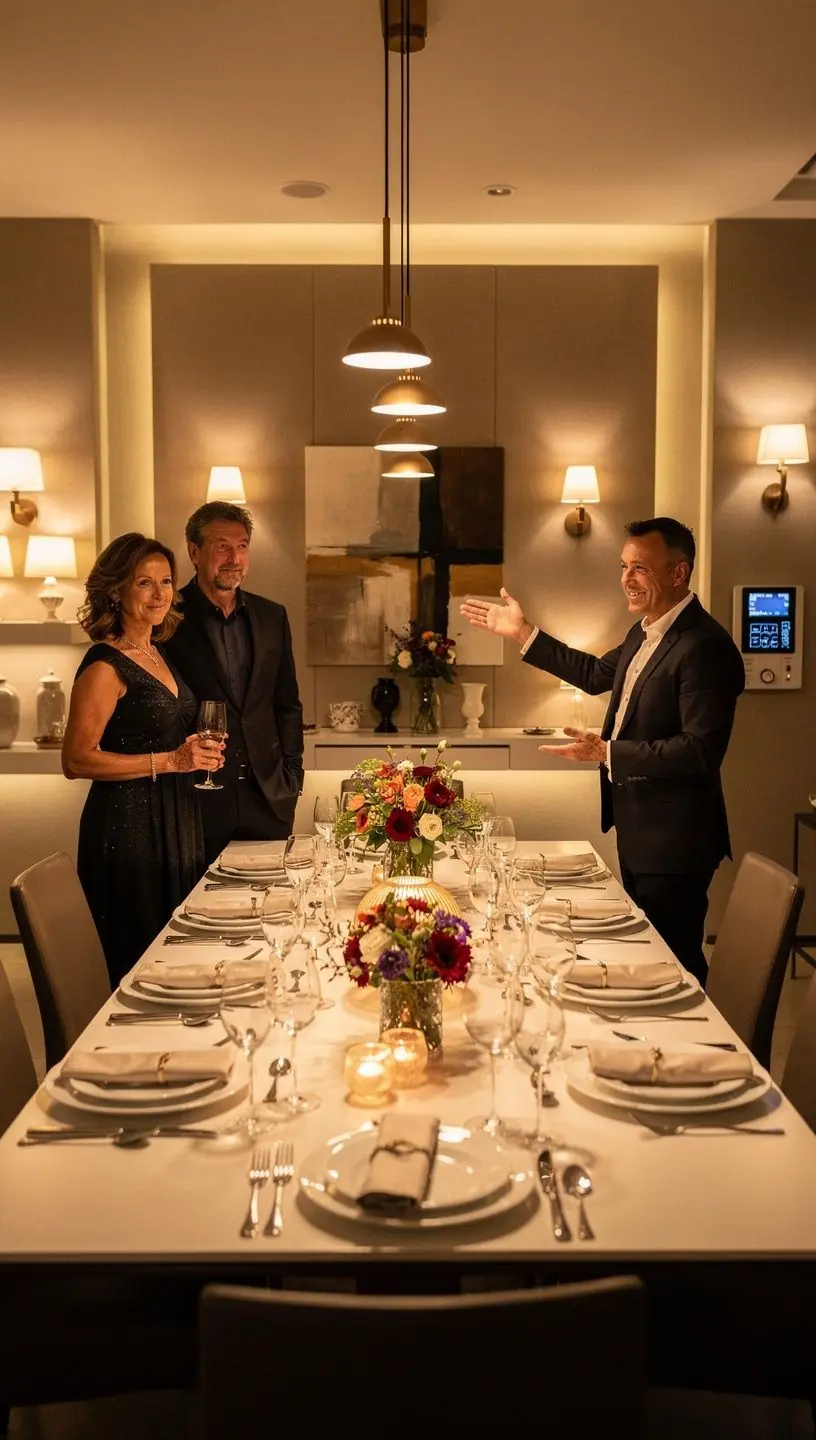
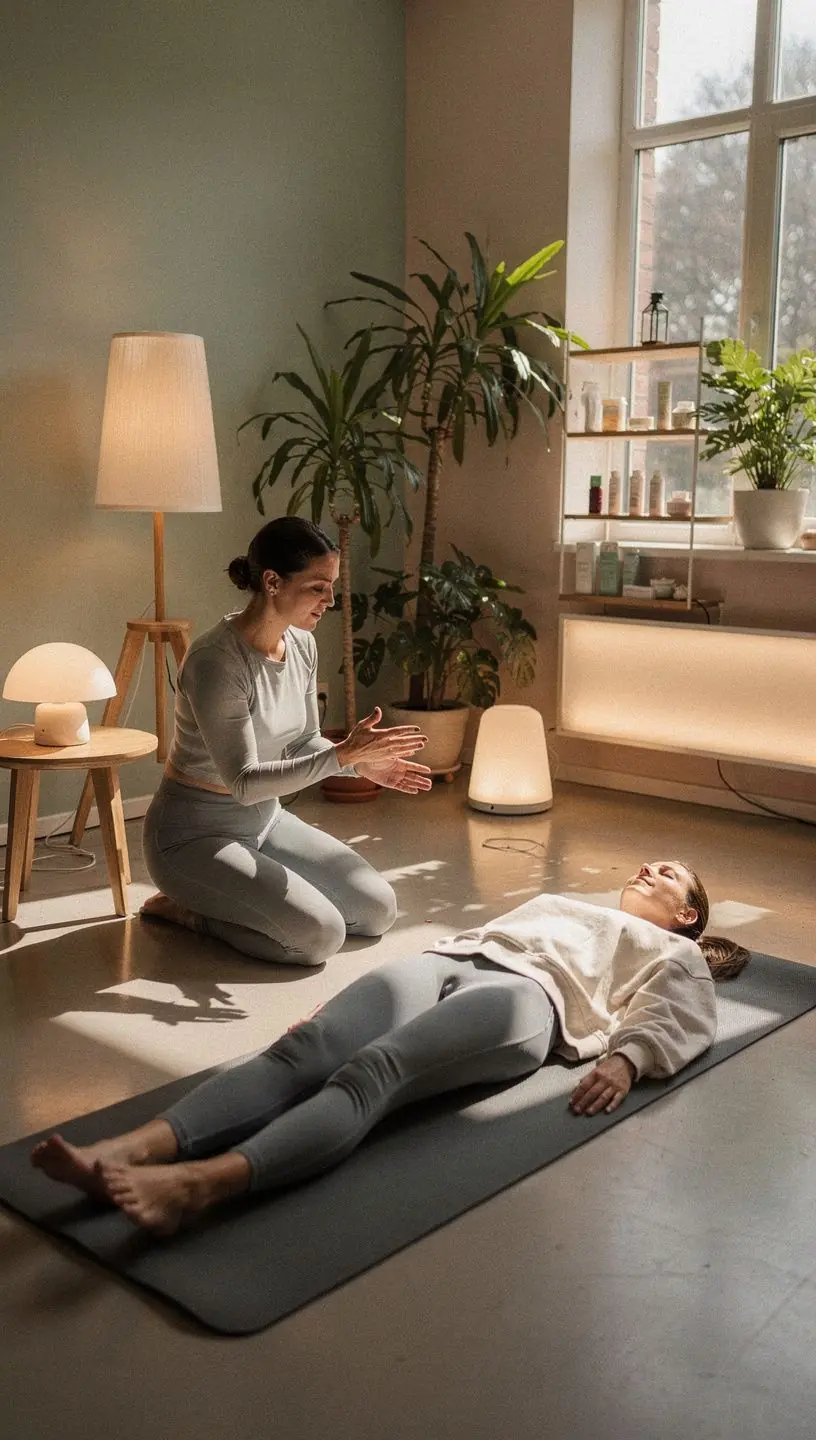
Understanding the Role of Lighting in Interior Atmosphere
Lighting plays a crucial role in shaping the atmosphere of any interior space. This article explores how different lighting techniques can enhance the ambiance, improve functionality, and create a welcoming environment.
Understanding the Basics of Lighting
Lighting is not just about illumination; it significantly influences mood and perception. According to research, the human brain processes visual information primarily through light, which can evoke emotions and set the tone of a space. Experts recommend considering both natural and artificial light sources when designing interiors.
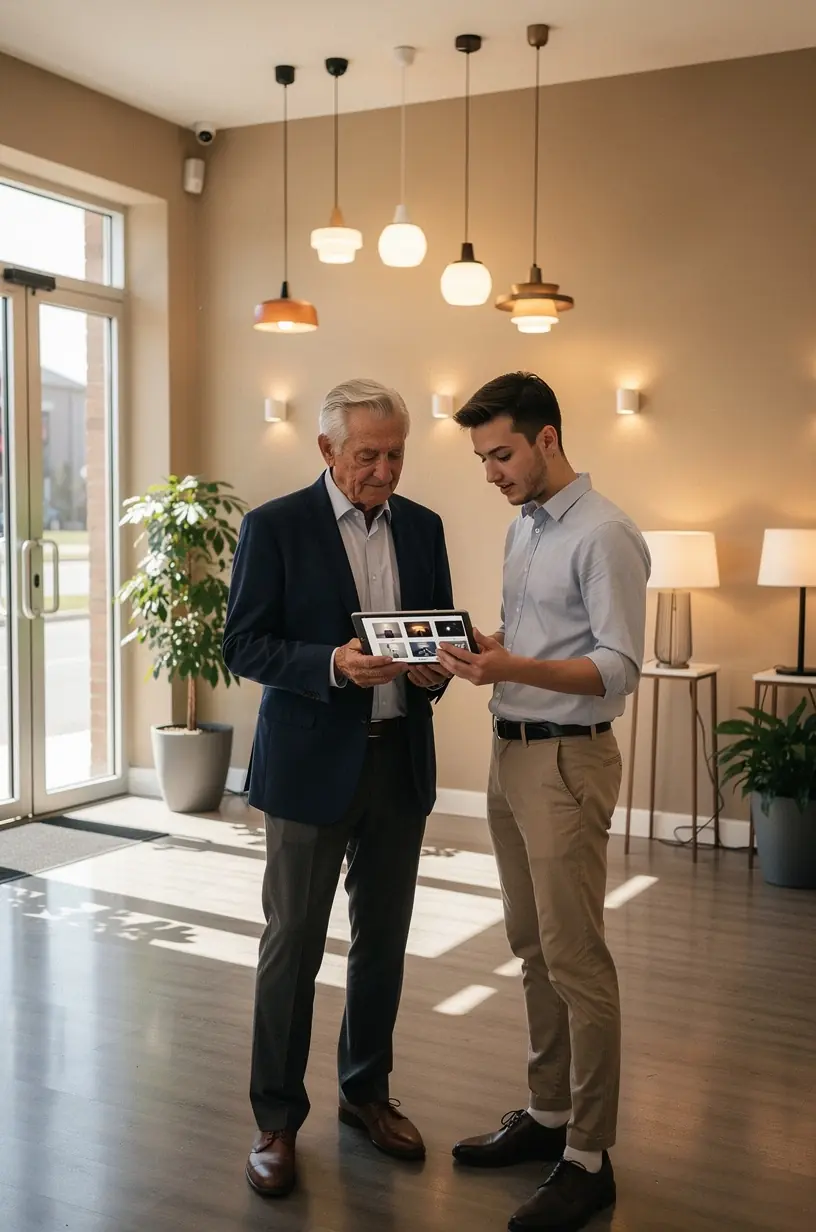
"Proper lighting can transform a room, making it feel larger, cozier, or even more dynamic, depending on the design intentions." - Interior Design Expert
Types of Lighting and Their Effects
Typically, lighting is categorized into three main types: ambient, task, and accent. Each serves a unique purpose in creating an effective and pleasant atmosphere.
- Ambient Lighting: This is the overall illumination in a space, often provided by ceiling fixtures. It sets the general mood and should be soft yet adequate for everyday activities.
- Task Lighting: This type focuses on specific areas where activities like reading or cooking occur. Experts recommend adjustable fixtures for flexibility, ensuring optimal functionality.
- Accent Lighting: Used to highlight architectural features or artwork, accent lighting creates visual interest. Many users report that well-placed accent lights can enhance the aesthetic appeal significantly.
Practical Application of Lighting Techniques
Implementing effective lighting strategies involves understanding the unique attributes of each space. Here are some practical steps to consider:
- Assess Natural Light: Begin by evaluating how much natural light enters the space throughout the day. This will guide your choice of artificial lighting needs.
- Layer Your Lighting: Combining ambient, task, and accent lighting can create a balanced atmosphere. This typically requires a thoughtful approach, including planning fixture placement and types.
- Adjustable Fixtures: Incorporate lighting that can be adjusted, such as dimmers or movable lamps. This flexibility allows for changes in mood and functionality throughout the day.
Acknowledging Limitations
While effective lighting can enhance a space, it’s essential to recognize the effort and time involved in achieving the desired results. The process of finding the right balance often takes several iterations and may require professional guidance. Furthermore, certain lighting solutions might not be suitable for all situations, particularly if the room lacks sufficient electrical infrastructure.
Conclusion
In summary, understanding the role of lighting in interior atmosphere is a multi-faceted approach that involves both artistic vision and practical application. By selectively combining different types of lighting and being mindful of their effects, you can create spaces that are not only functional but also inviting. Whether you seek to enhance your home or professional environment, these principles can guide your lighting decisions effectively.