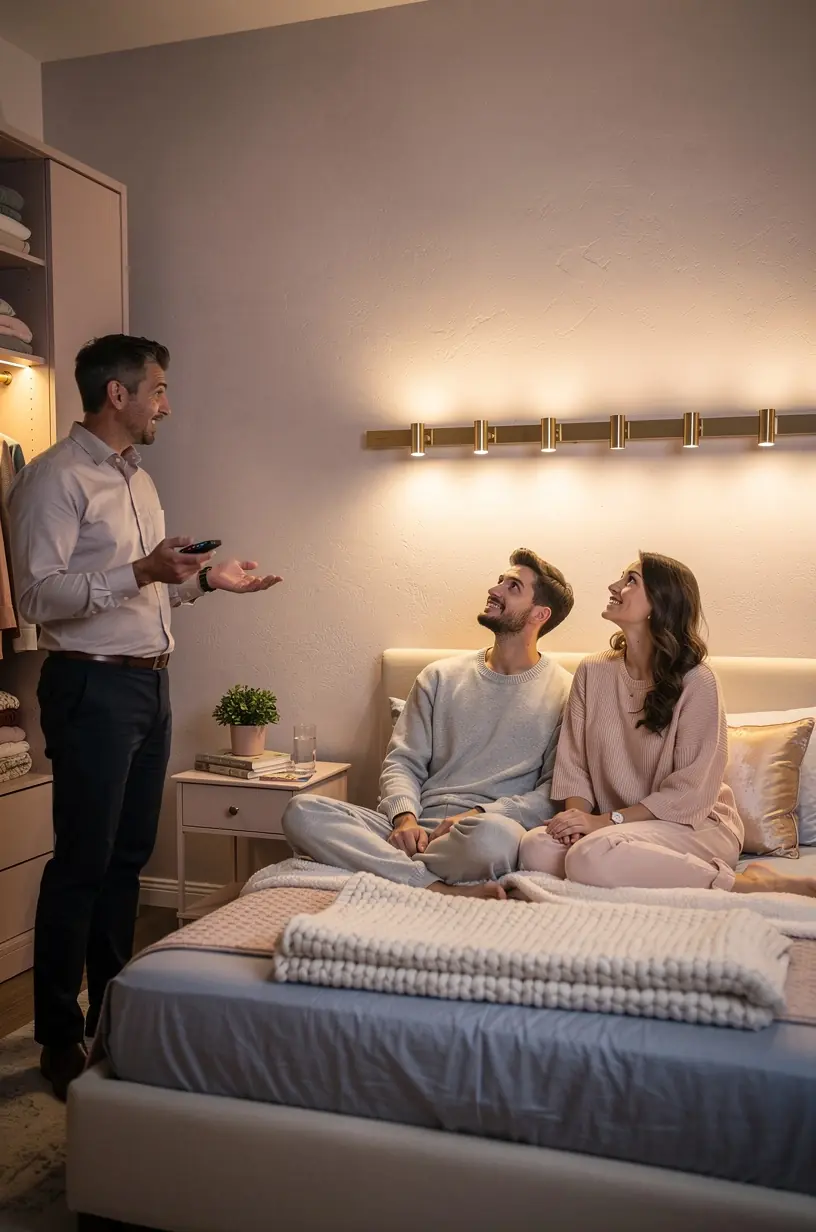
Practical Guide to Layered Lighting Techniques
Layered lighting is essential for creating a warm, inviting atmosphere in any space. This guide provides practical insights into effective lighting strategies that can enhance the ambiance of your home or office.
Understanding the Basics
Layered lighting involves the strategic combination of different types of lighting to create depth and interest within a room. The main components typically include ambient, task, and accent lighting. According to industry experts, this approach not only improves functionality but also enhances the overall aesthetic appeal of a space.

"Effective lighting design considers multiple layers, as each serves a distinct purpose and contributes to the overall atmosphere." - Lighting Design Expert
The Three Layers of Lighting
To effectively implement layered lighting, it is crucial to understand the three main types:
- Ambient Lighting: This is the general illumination of a space, typically provided by ceiling fixtures. It creates a uniform level of light, allowing people to navigate the room comfortably.
- Task Lighting: This type focuses on specific areas where activities are performed, such as reading or cooking. Common sources include desk lamps and under-cabinet lights.
- Accent Lighting: Accent lighting highlights particular features or decor elements, such as artwork or architectural details. This layer adds drama and visual interest.
Implementing Layered Lighting Techniques
When applying these lighting principles, consider the following steps:
- Assess Your Space: Begin by evaluating the room’s purpose, existing natural light, and the areas needing more illumination. This typically takes a few hours but is essential for effective planning.
- Choose the Right Fixtures: Select fixtures that complement your style while serving their intended function. Many users report improved satisfaction when fixtures are visually appealing yet practical.
- Create Zones: Divide your space into functional zones with separate lighting solutions. This strategy allows for flexibility and personalization, making it suitable for various activities throughout the day.
Challenges and Considerations
While layered lighting can significantly enhance your environment, there are some limitations to keep in mind:
- Implementing these changes may require a time commitment for planning and installation, which typically takes 2-4 weeks depending on the complexity.
- It involves a learning curve, especially in selecting the right fixtures and understanding the interplay of different light sources.
- Ensure your approach suits the specific purpose of each room; for example, bright task lighting may not be ideal in relaxation spaces.
Conclusion
Layered lighting techniques can transform your space, creating an inviting atmosphere tailored to your needs. By understanding and applying these principles, you can achieve a balanced environment that is both functional and aesthetically pleasing. For best results, consider consulting with a lighting professional who can provide personalized recommendations based on your unique requirements.