Understanding the Impact of Lighting on Home Productivity
Lighting plays a critical role in shaping our work environments, influencing not only our mood but also our productivity levels. This article explores how effective lighting design can enhance productivity in home settings, backed by research and expert recommendations.
Understanding the Basics of Lighting and Productivity
According to studies, the type and intensity of lighting can significantly influence our cognitive functions. Natural light, for instance, is often linked to increased productivity and well-being. Research suggests that exposure to natural light can improve mood and energy levels, which are crucial for maintaining focus during work hours.

Experts recommend utilizing a combination of ambient, task, and accent lighting to create an effective workspace. This layered approach allows for flexibility in brightness and mood, adjusting to different tasks throughout the day.
"Proper lighting can lead to a productivity increase of 20-30%, especially in environments where natural light is maximized."
Practical Applications of Lighting for Improved Productivity
- Maximize Natural Light: Position your workspace near windows or in areas where daylight enters. Studies indicate that environments with ample natural light can reduce eye strain and fatigue, helping to sustain focus.
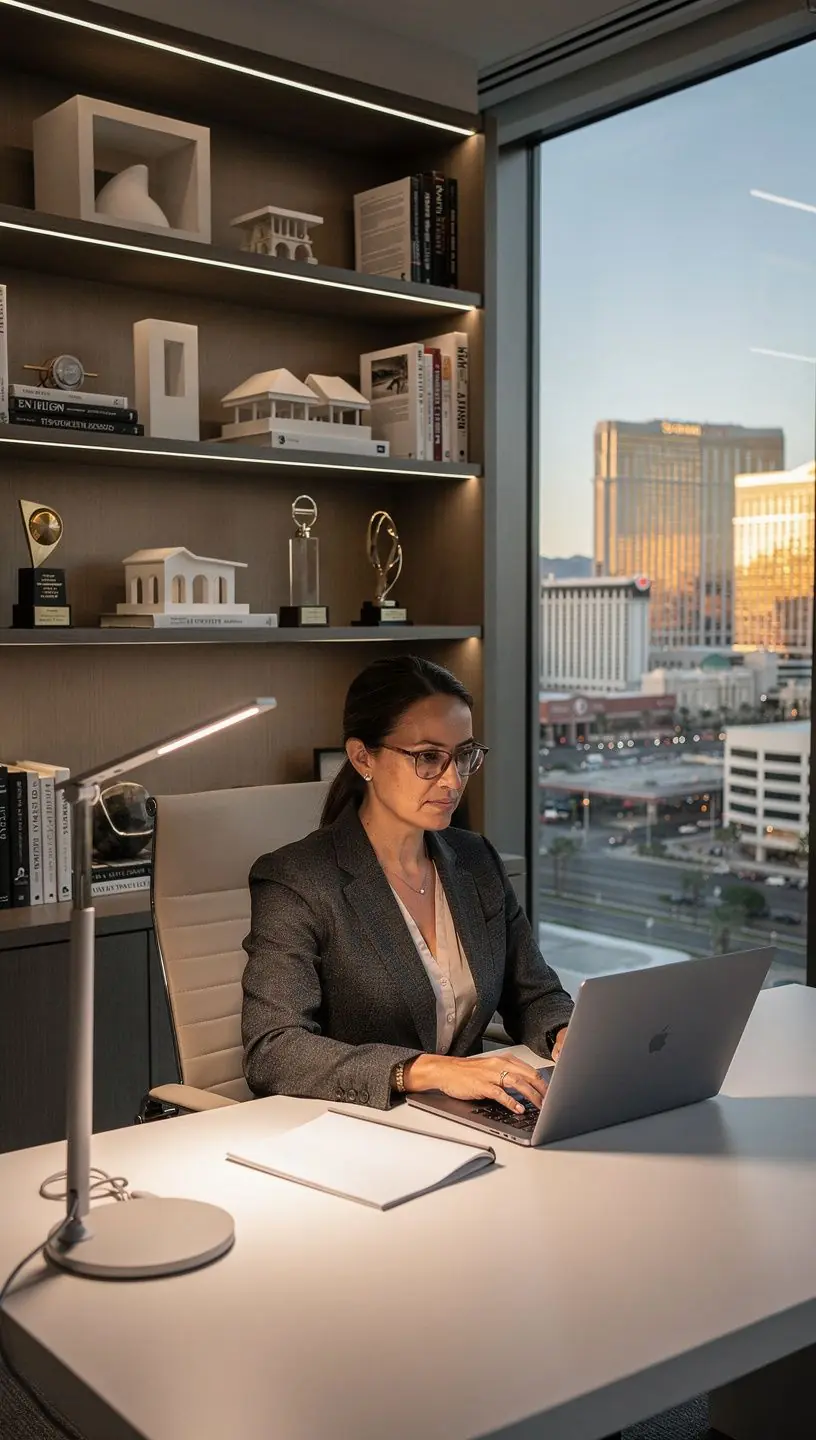
- Incorporate Task Lighting: Use dedicated lighting for specific tasks, such as desk lamps for reading or working. This typically involves using bulbs with higher color temperatures that mimic daylight, which can enhance alertness.
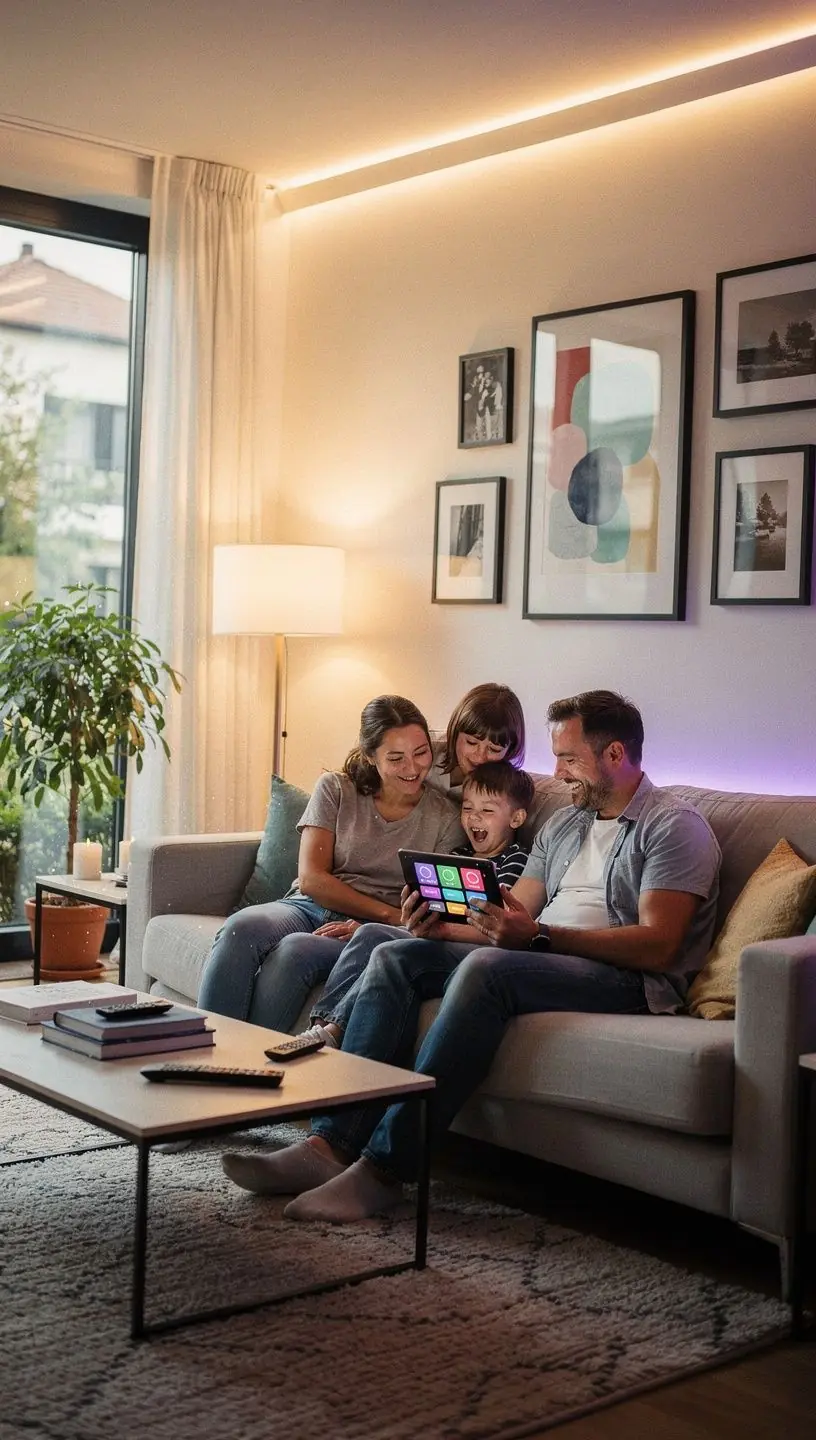
- Adjust Brightness Levels: Consider using dimmers or smart lighting systems that allow you to adjust brightness throughout the day. Many users report that having control over their lighting helps reduce distractions and allows for a smoother transition between tasks.
The Role of Color Temperature in Workspace Design
The color temperature of your lighting also matters. Cool white light (around 5000K-6500K) is known to boost concentration, while warm white light (2700K-3000K) can create a more relaxed atmosphere suitable for unwinding after work. Research suggests that balancing these temperatures according to the time of day can optimize productivity and comfort.
It's essential to note that ideal lighting setups can vary based on personal preferences and the specific tasks at hand. Therefore, implementing a tailored approach might involve some trial and error to achieve the best results for your unique situation.
Conclusion
In summary, the impact of lighting on home productivity is substantial, with research indicating that well-designed lighting can enhance focus, reduce fatigue, and ultimately improve efficiency. By understanding the principles behind lighting design and applying them thoughtfully in your workspace, you can create an environment that supports your productivity goals.
While these adjustments require some initial effort and may take time to optimize, the potential benefits make it a worthwhile investment for anyone looking to enhance their work-from-home experience. Remember, the right lighting can make a significant difference!
Explore More