How to Use Lighting for Enhanced Home Safety
In today's world, home safety is a primary concern for many families. One often overlooked aspect is the role of lighting in creating a safe environment. This article explores how strategic lighting choices can enhance home safety, drawing on expert recommendations and industry standards.
Understanding the Basics of Home Lighting
Proper lighting is more than just a matter of aesthetics; it is a crucial factor in home safety. Studies show that well-lit areas can reduce the risk of accidents and deter potential intruders. According to the National Institute of Justice, proper illumination can enhance visibility and make it more difficult for criminal activity to occur. Therefore, understanding how to effectively utilize lighting is essential for creating a safe home environment.

"Lighting is a vital part of any home safety strategy, as it can both prevent accidents and deter crime." - Home Safety Expert
Key Lighting Strategies for Enhanced Safety
- Use Motion Sensor Lights: These lights automatically turn on when movement is detected, providing illumination in dark areas such as pathways or entrances. Research indicates that homes equipped with motion sensor lighting are less likely to be targeted by intruders.
- Illuminate Entry Points: Ensure that all entry points to your home, including doors and windows, are well-lit. This not only helps in preventing break-ins but also decreases the likelihood of accidents. Industry experts suggest using bright LED lights that provide adequate brightness for these areas.
- Highlight Pathways and Stairs: Accidents commonly occur in poorly lit areas. Installing lighting along pathways and staircases can significantly reduce the risk of falls. Many homeowners report fewer incidents after implementing this simple yet effective strategy.
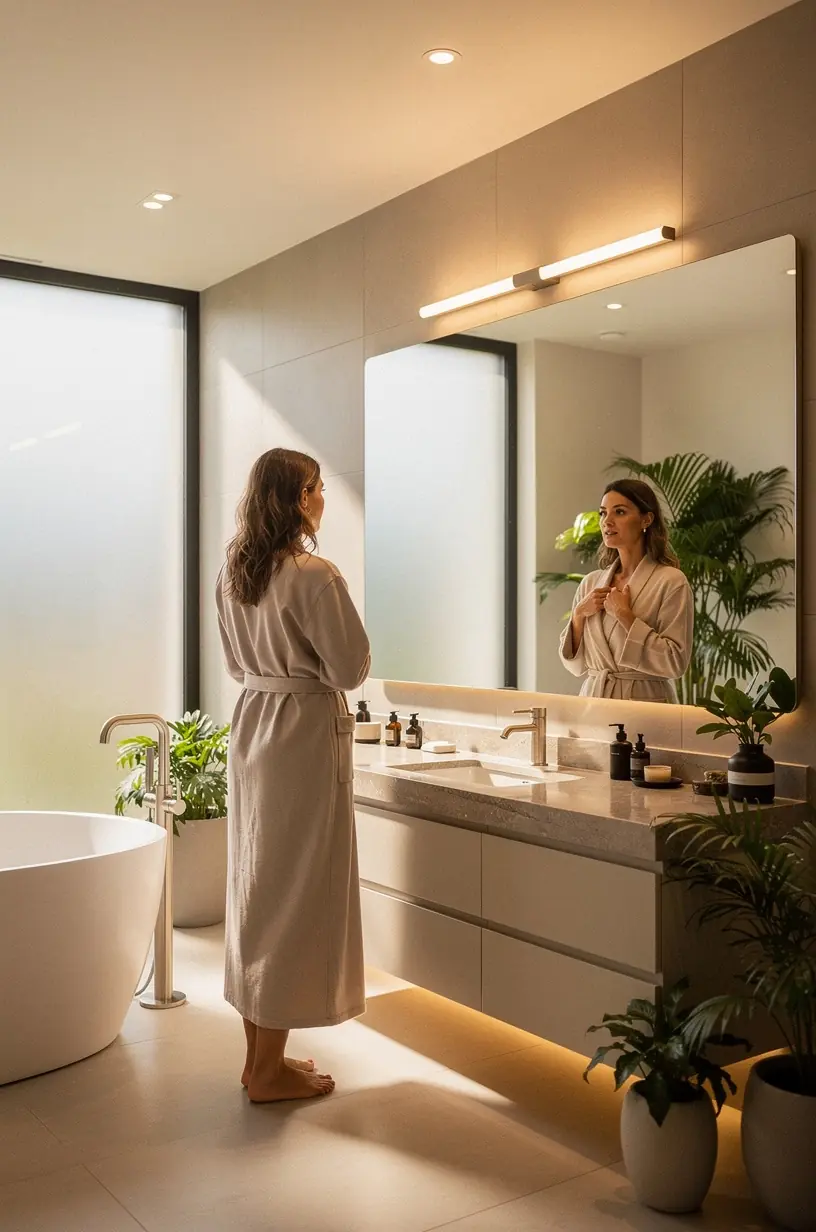
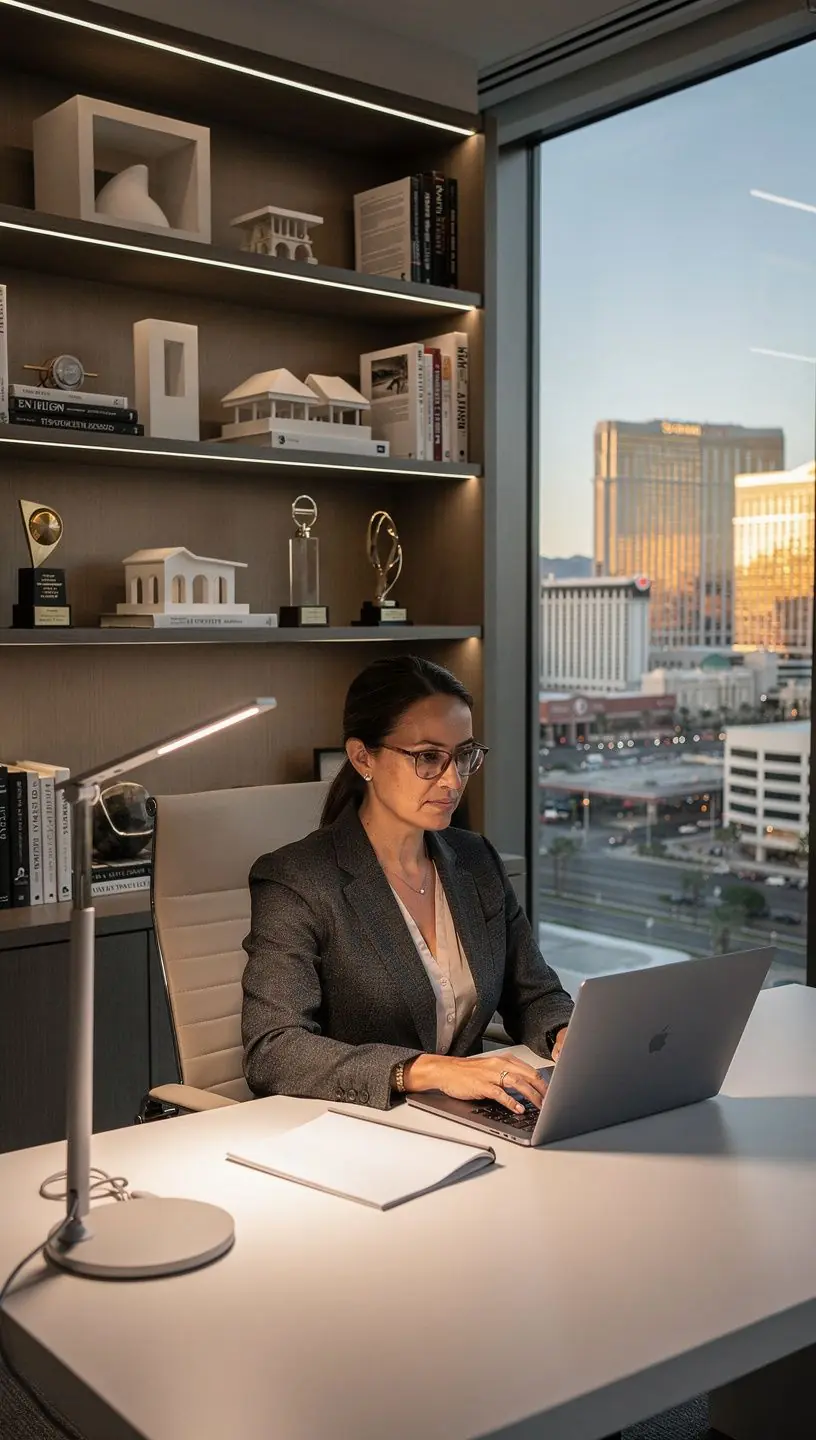
- Utilize Layered Lighting: Combining ambient, task, and accent lighting can create a well-lit and inviting environment. This approach is effective because it enhances visibility throughout the home, making it easier to navigate various spaces safely.
Implementing Your Lighting Plan
To effectively enhance home safety through lighting, consider the following steps:
- Conduct a home safety audit: Walk through your home to identify areas that are inadequately lit and note where improvements can be made.
- Choose the right fixtures: Depending on the areas you need to illuminate, select appropriate lighting fixtures that provide sufficient brightness and coverage.
- Incorporate smart lighting: Consider using smart lighting systems that allow you to control your lights remotely or set schedules to enhance security when you are away from home.
- Regularly maintain your lighting: Ensure that all bulbs are functioning and replace any that are burnt out promptly. Regular maintenance is crucial for safety.
Conclusion
Implementing effective lighting strategies can significantly enhance safety in your home. By prioritizing well-lit entry points, using motion sensors, and ensuring adequate illumination along pathways, you can create a safer environment for your family. Remember that these improvements may require an initial investment of time and resources, but the long-term benefits for safety and peace of mind are invaluable. By adhering to these best practices and consulting with lighting experts as needed, you can achieve a reliable and effective lighting plan tailored to your home's unique needs.
Explore More