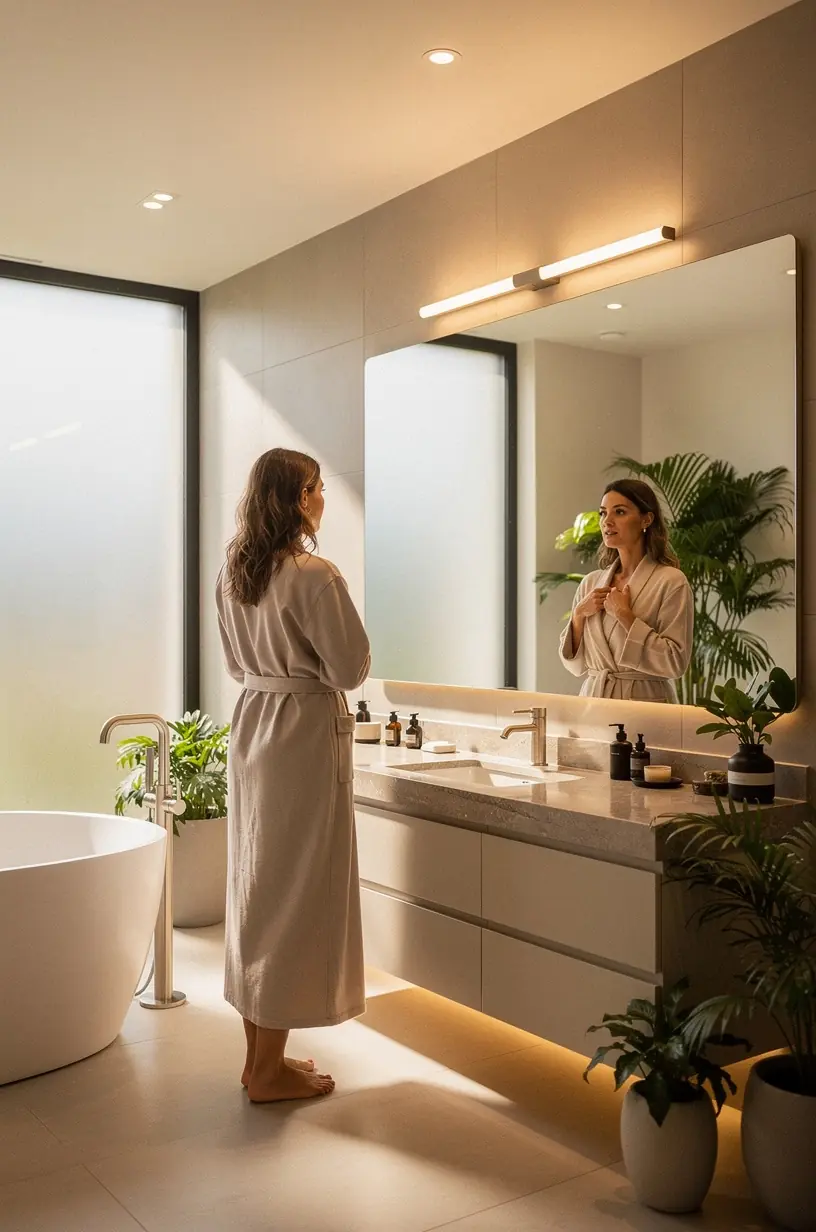
Practical Techniques for Highlighting Artwork with Lighting
Lighting plays a crucial role in enhancing the beauty and emotional impact of artwork. This article explores practical techniques for effectively highlighting your art pieces, emphasizing the importance of personalized setup and atmosphere creation.
Understanding the Basics of Art Lighting
Proper lighting can significantly affect how artwork is perceived. According to studies, the right lighting can enhance the color, depth, and details of an artwork, thereby improving the overall experience for viewers. Experts recommend using a combination of ambient, task, and accent lighting to create a balanced and visually appealing setup.
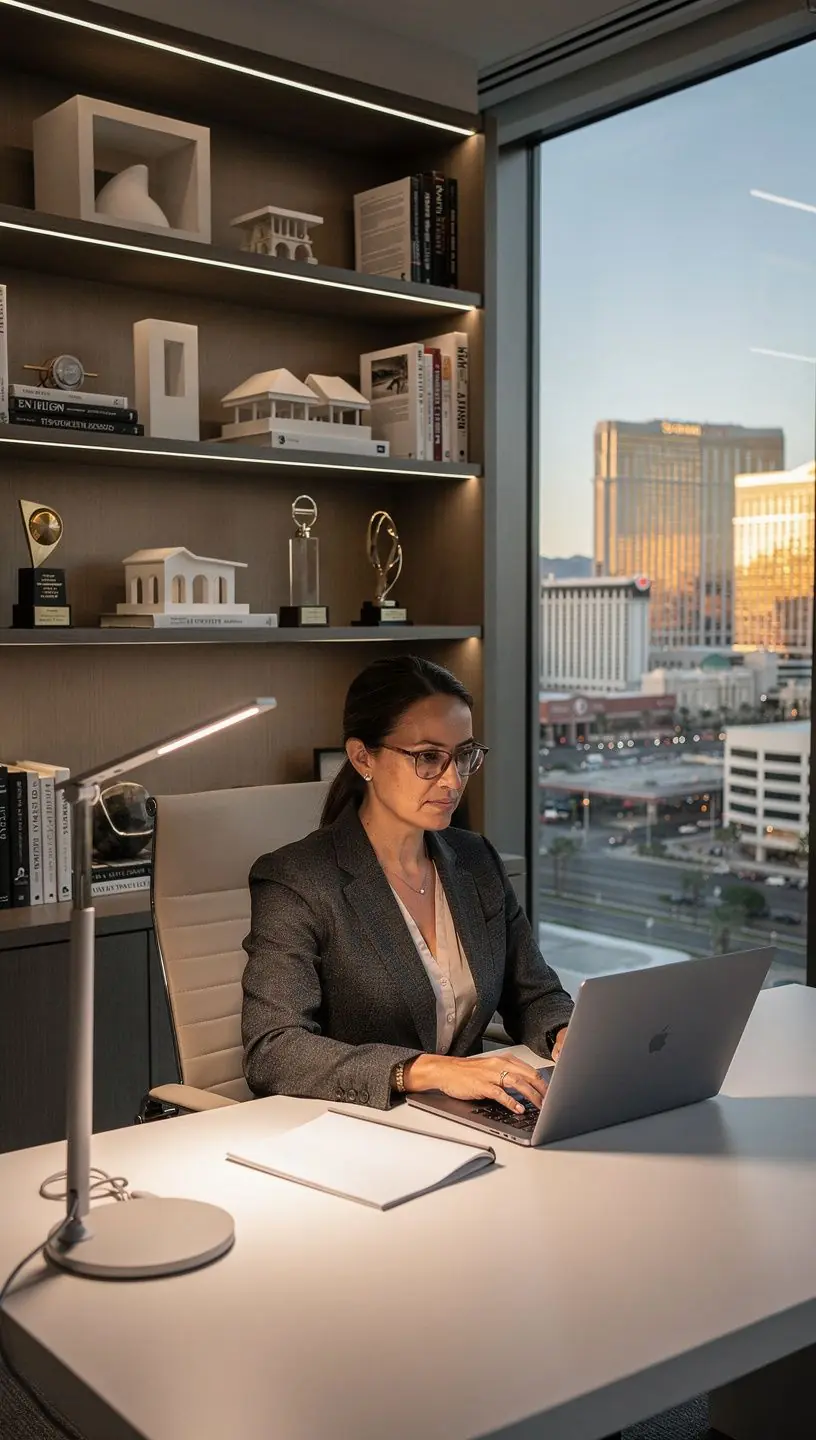
"The right lighting can transform a piece of art, revealing details that may otherwise go unnoticed."
Choosing the Right Type of Lighting
When selecting lighting options for artwork, consider the following types:
- Ambient Lighting: This general lighting establishes the overall light level in the room, promoting visibility and comfort.
- Task Lighting: Designed to focus on specific areas, task lighting helps illuminate detailed work or reading spaces, often using adjustable fixtures.
- Accent Lighting: This type highlights specific pieces of art, drawing attention to their features. Directional spotlights or track lighting are often used for this purpose.
Effective Techniques for Highlighting Artwork
Here are some practical methods to effectively highlight your artwork:
- Use Directional Lighting: Position lights to shine directly on the artwork. This technique helps create depth and enhances textures.
- Adjust Brightness Levels: Experiment with the intensity of your lights. Research suggests that lowering the brightness can sometimes add warmth and softness, which may be more appealing than harsher lighting.
- Consider Color Temperature: The color temperature of your lighting can affect the mood. Warmer tones (between 2700K and 3000K) can create a cozy atmosphere, while cooler tones (above 4000K) may lend a more modern feel.
- Utilize Dimmers: Dimmable lighting allows for flexibility in brightness levels, making it easier to create the desired ambiance depending on the time of day or specific events.
Setting Up for Success: Recommendations and Limitations
Setting up artwork lighting typically involves a bit of trial and error. Many users report that it can take several adjustments over a few days to achieve the desired effect. Experts suggest taking the time to test different angles and distances for your light sources. This process generally involves:
- Assessing the artwork’s features and deciding on focal points.
- Experimenting with different light positions and types.
- Making incremental adjustments based on how the artwork looks under various lighting conditions.
While these techniques can be effective, it's important to note that not all artworks benefit from the same lighting methods. For example, delicate pieces may require softer lighting to prevent damage, while vibrant pieces may thrive under brighter, direct light. Always consider the specific needs of the artwork you are displaying.
Conclusion
Highlighting artwork with lighting is both an art and a science. By understanding the different types of lighting and applying practical techniques, you can create an inviting atmosphere that showcases your art beautifully. Remember to be patient during the setup process, as it may take time and experimentation to achieve optimal results. Focus on creating a space that not only highlights your artwork but also enhances the overall mood of your environment.
Explore More