Exploring the Relationship Between Lighting and Interior Design
Lighting is a fundamental element in interior design that can dramatically influence the mood and functionality of a space. This article delves into how various lighting techniques and types can enhance interior design, creating inviting atmospheres tailored to specific needs.
The Basics: How Lighting Affects Space
Lighting is not just a functional necessity; it plays a crucial role in shaping the emotional tone of a room. According to research from the American Society of Interior Designers, the right lighting can enhance productivity, comfort, and even creativity in a space. For example, natural light is often linked to improved mood and energy levels, making it an essential consideration in design.
"Lighting has the power to transform spaces, making them feel larger, cozier, or more dynamic." - Interior Design Expert
Types of Lighting and Their Effects
Understanding the different types of lighting is essential for effective interior design:
- Ambient Lighting: This is the general lighting that fills a room. It is often achieved through ceiling lights and lamps, setting the overall tone of the space.
- Task Lighting: Focused lighting that helps with specific tasks, such as reading or cooking. Experts recommend using adjustable fixtures to direct light where needed most.
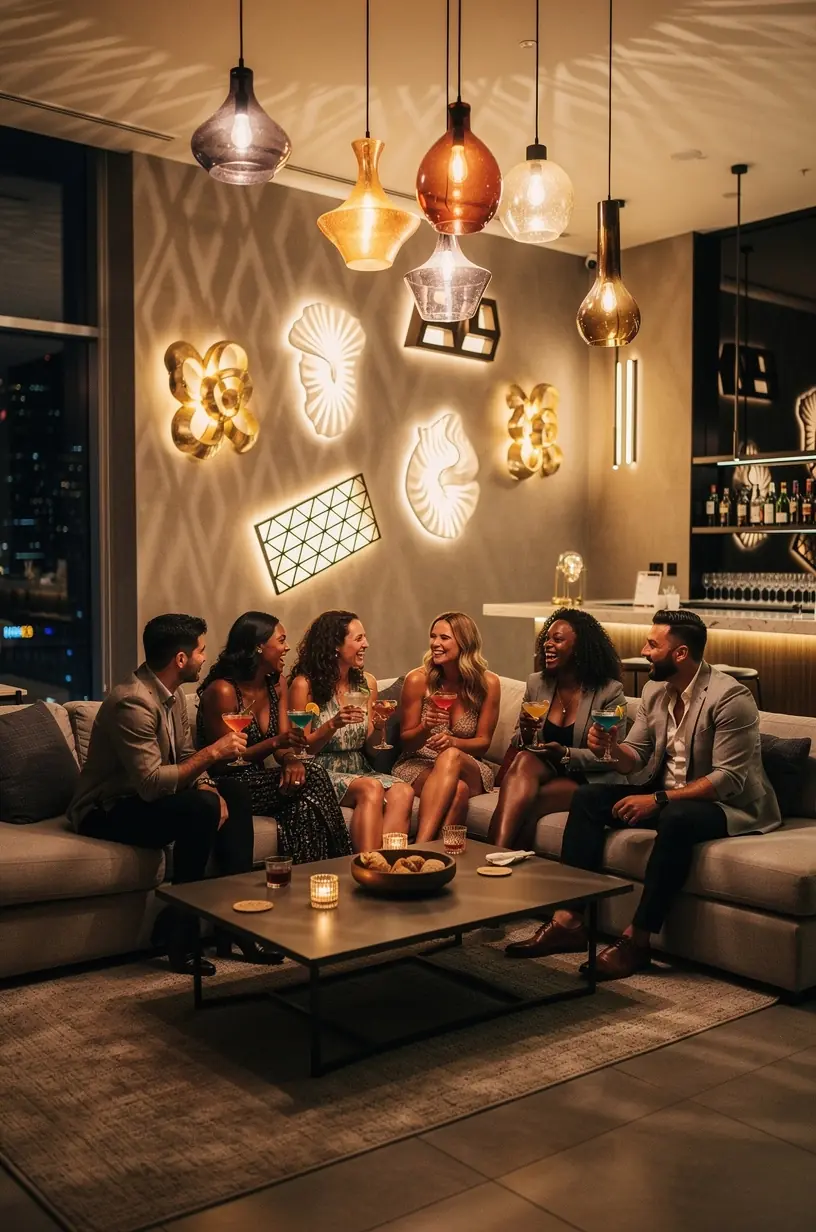
- Accent Lighting: This type highlights certain features like artwork or architectural details, adding depth and intrigue to a room.
Practical Strategies for Applying Lighting in Design
When incorporating lighting into your interior design, consider the following strategies:
- Assess the Function: Determine how the space will be used. For example, a home office may require brighter lighting to enhance focus, while a living room might benefit from softer, ambient lighting for relaxation.
- Layer Your Lighting: Combine different types of lighting to create a balanced atmosphere. Many designers recommend using at least three types of lighting in each room for versatility and effectiveness.
- Choose the Right Fixtures: Consider the style and scale of your fixtures in relation to your space. The right fixtures not only provide light but also contribute to the overall aesthetic.
Conclusion
Incorporating thoughtful lighting into your interior design can significantly enhance your environment and overall experience within a space. By understanding the impact of different lighting types and employing practical strategies, you can create an atmosphere that meets your needs and reflects your style. Remember, effective lighting design often requires careful planning and experimentation, so take the time to explore various options and see what works best for your space.
Explore More