Understanding Different Types of Light Fixtures
When it comes to creating the perfect atmosphere in your living spaces, understanding the various types of light fixtures available is crucial. Each type of fixture serves a unique purpose and can significantly influence the mood and functionality of a room. This article aims to educate you on the different types of light fixtures, their applications, and how they can contribute to your interior design goals.
Types of Light Fixtures
There are several primary categories of light fixtures, each with distinct characteristics and uses. According to industry standards, the main types include:

- Ambient Lighting: This type provides overall illumination to a room. Common fixtures include ceiling-mounted lights, chandeliers, and recessed lighting. Experts recommend using ambient lighting as the foundational layer of your lighting design.
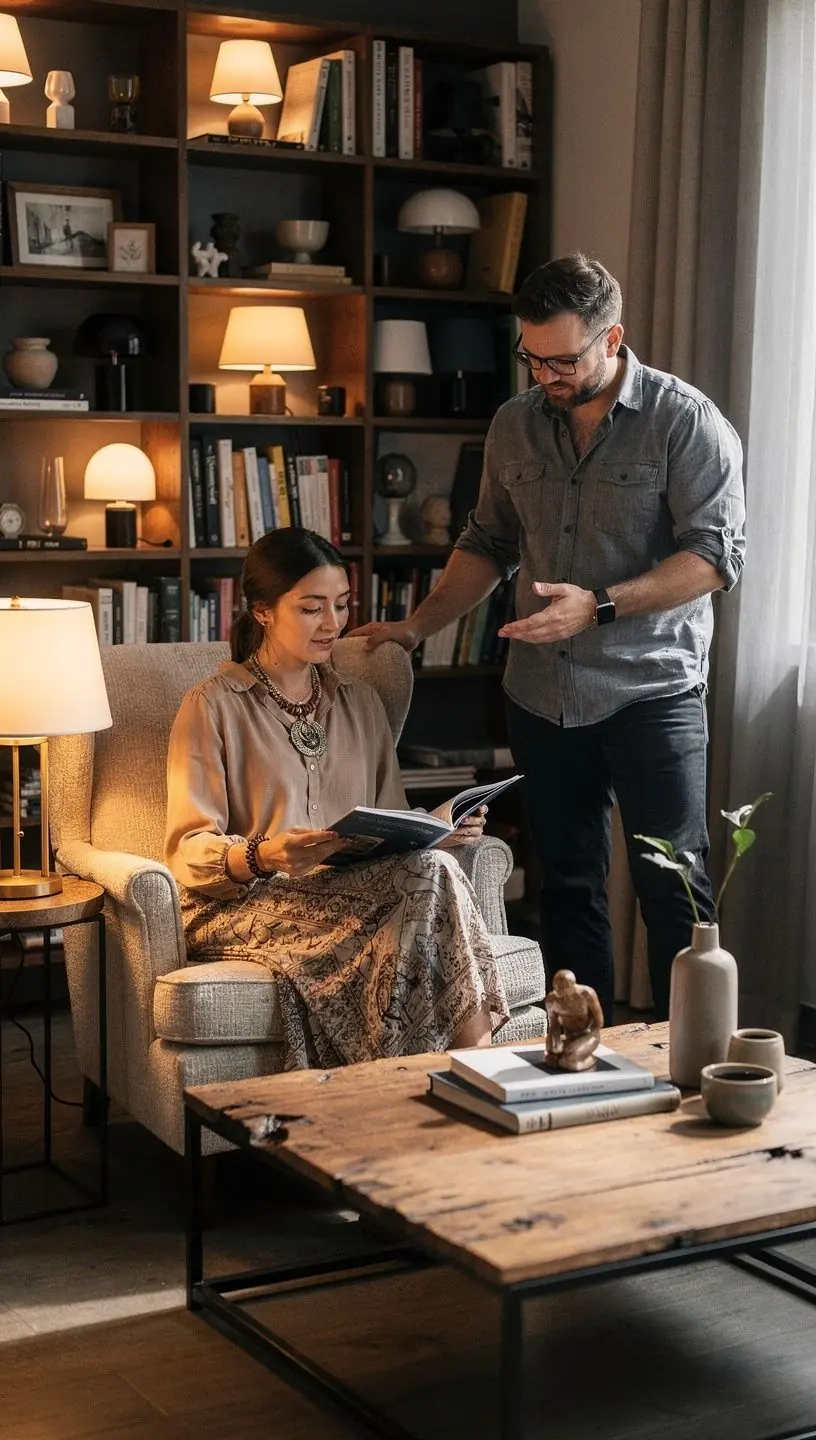
- Task Lighting: Designed to illuminate specific areas where tasks are performed, such as reading or cooking. Desk lamps, under-cabinet lights, and pendant lights above workspaces are typical examples. Research indicates that effective task lighting can enhance focus and productivity.
- Accent Lighting: This type is used to highlight architectural features, artworks, or plants. Track lighting and wall sconces often serve this purpose. Many users report that accent lighting can add drama and depth to a space.
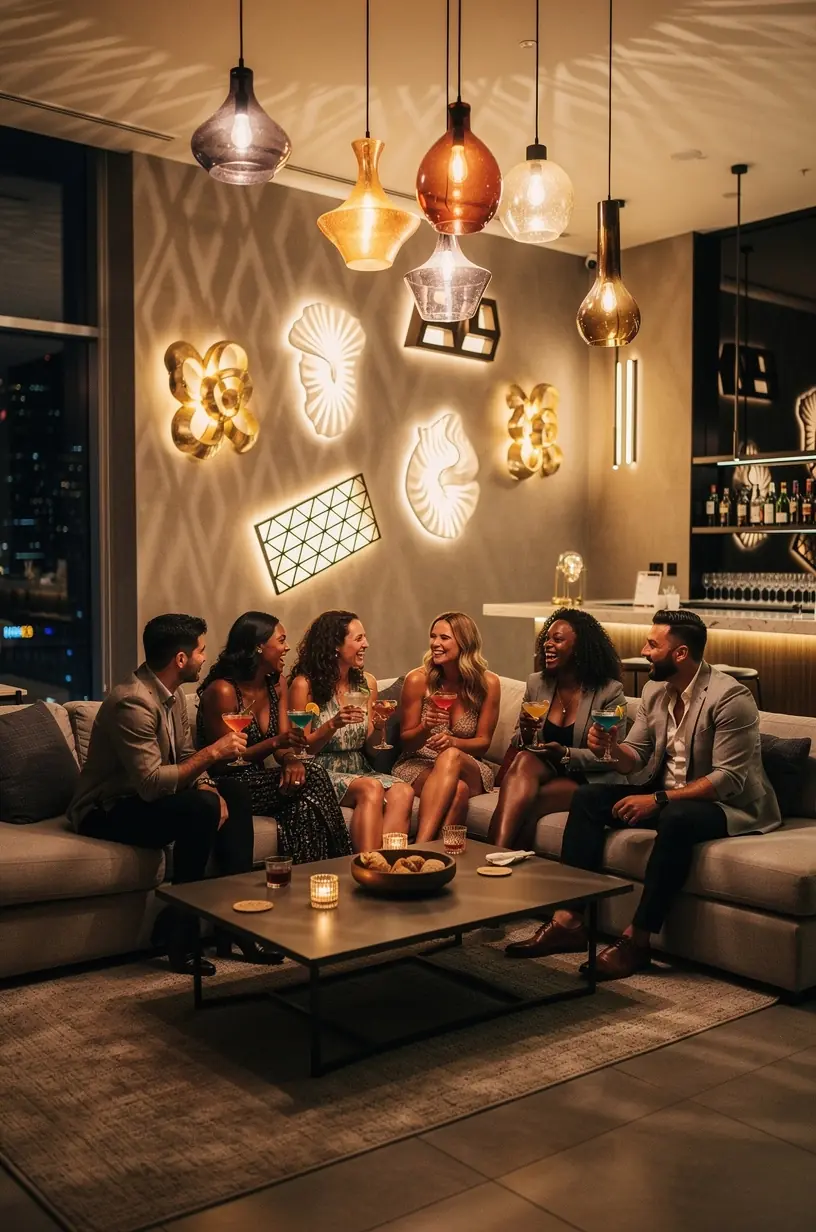
- Decorative Lighting: Primarily serves as a design element rather than for functional lighting. Fixtures such as decorative chandeliers or unique table lamps fall into this category. While they may not provide significant illumination, they can greatly enhance a room's aesthetics.
How Light Fixtures Impact Atmosphere
The choice of lighting can profoundly affect the ambiance of a space. For instance, warm light typically creates a cozy and inviting atmosphere, making it suitable for living rooms and bedrooms. In contrast, cooler light is often preferred in workspaces for its ability to promote alertness and focus.
"Studies show that the right lighting can increase comfort and satisfaction in a living environment by over 30%."
Choosing the Right Fixture for Your Space
When selecting light fixtures, consider the following factors:
- Room Functionality: Think about how you use the space. For example, kitchens benefit from bright task lighting, while bedrooms can use softer ambient lighting.
- Fixture Size and Scale: The size of your light fixture should be proportionate to the room. A large chandelier in a small room can feel overwhelming; conversely, small fixtures in a large space may seem insignificant.
- Energy Efficiency: Opt for LED fixtures when possible, as they are not only energy-efficient but can also last significantly longer than traditional bulbs. According to energy studies, LED lights can reduce energy costs by up to 75%.
Conclusion
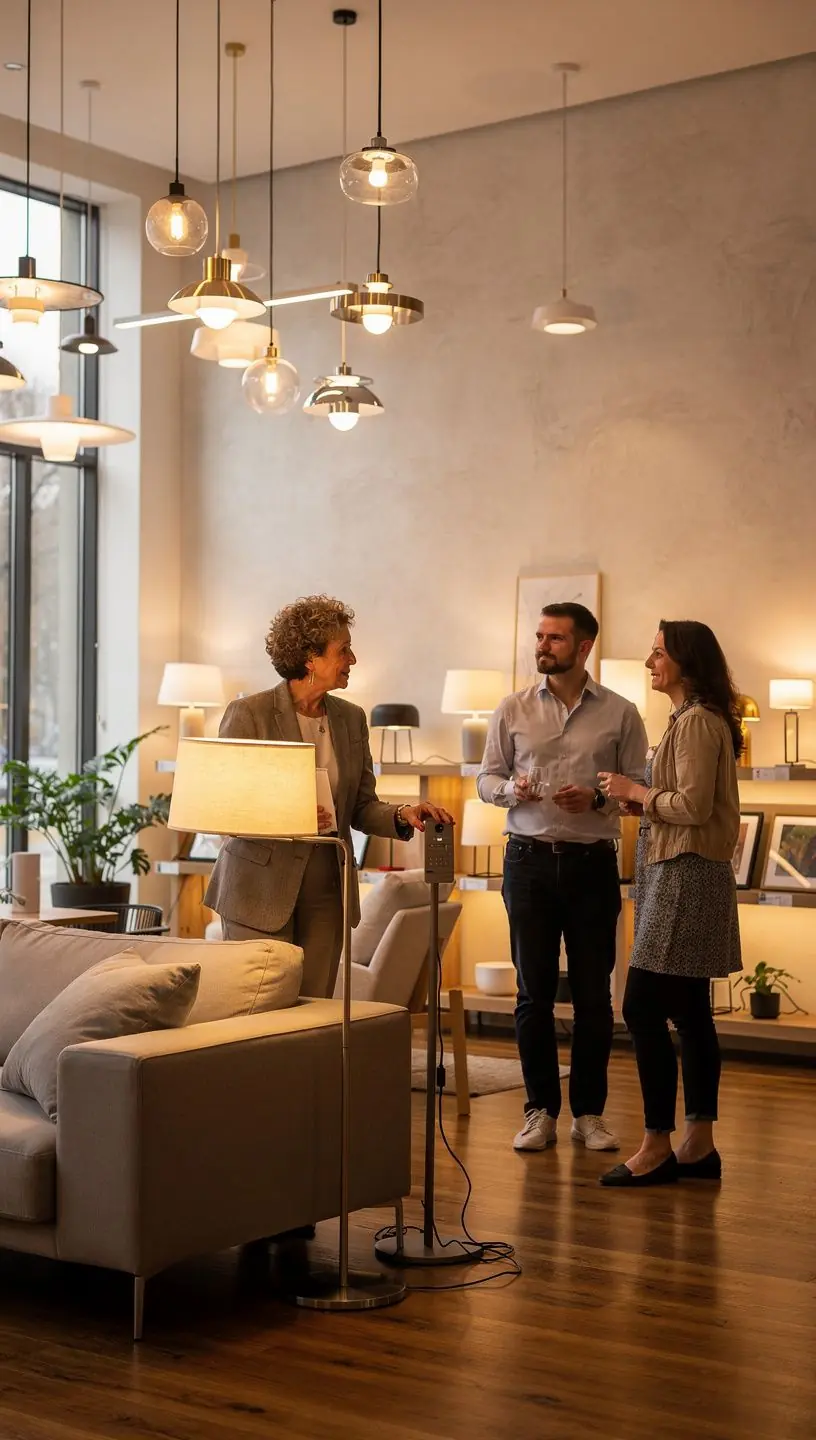
Understanding the different types of light fixtures and their impact on atmosphere is essential for effective interior lighting design. By considering the functionality of each space and the role that various fixtures play, you can create a harmonious and inviting environment. Remember, creating the optimal lighting design typically requires careful planning and consideration of your specific needs. For personalized setup services and expert guidance, feel free to reach out to your local interior lighting studio.