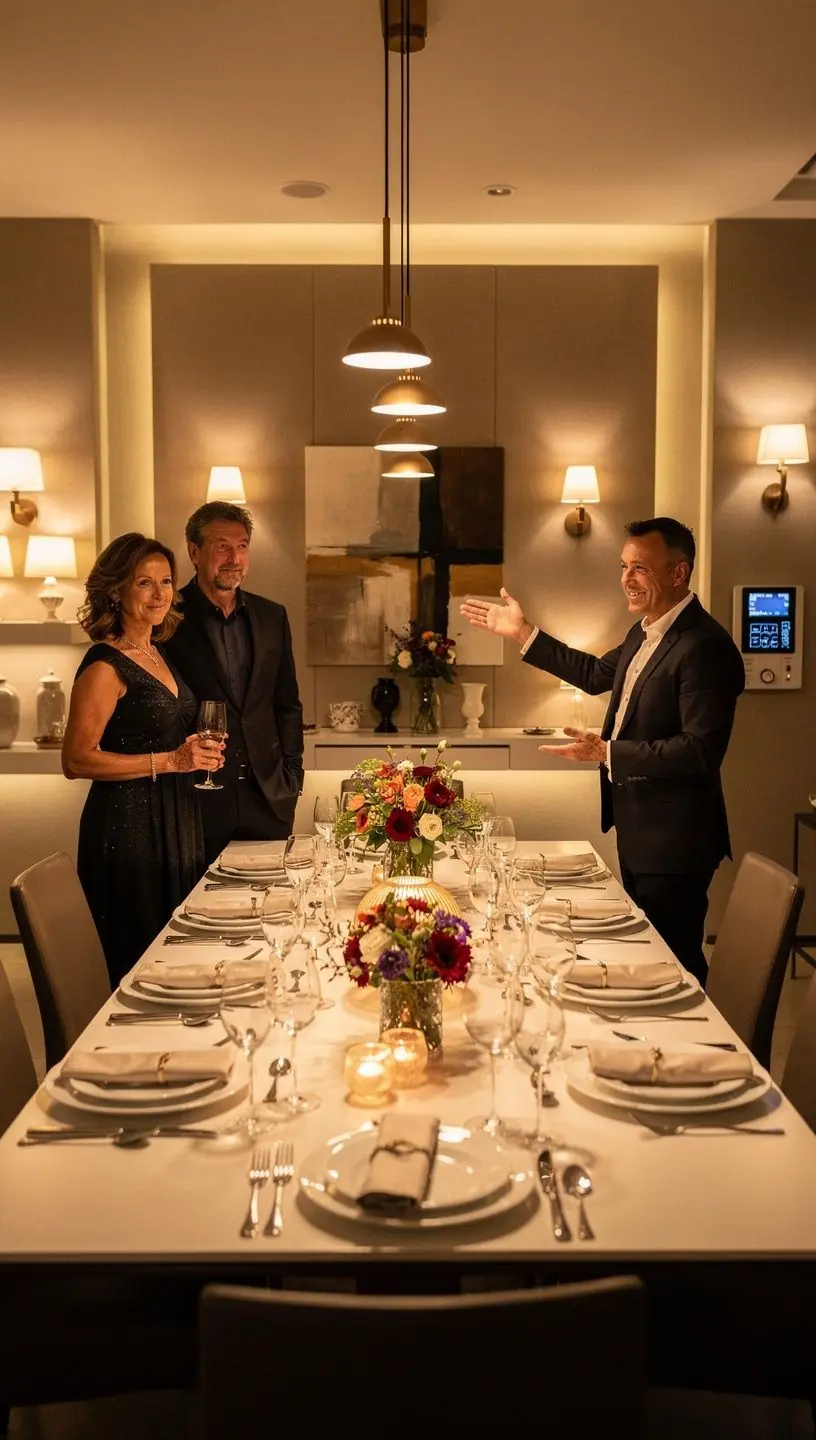
Exploring Eco-Friendly Lighting Options for Homes
As homeowners increasingly look for ways to reduce their carbon footprint, eco-friendly lighting options have gained significant popularity. This article will explore various sustainable lighting solutions, their benefits, and how they can enhance your home's atmosphere while being mindful of the environment.
Understanding Eco-Friendly Lighting
Eco-friendly lighting typically refers to lighting solutions that consume less energy, have a longer lifespan, and minimize environmental impact. According to the U.S. Department of Energy, switching from traditional incandescent bulbs to energy-efficient options can reduce energy consumption for lighting by up to 75%. This transition not only saves on energy bills but also decreases greenhouse gas emissions.
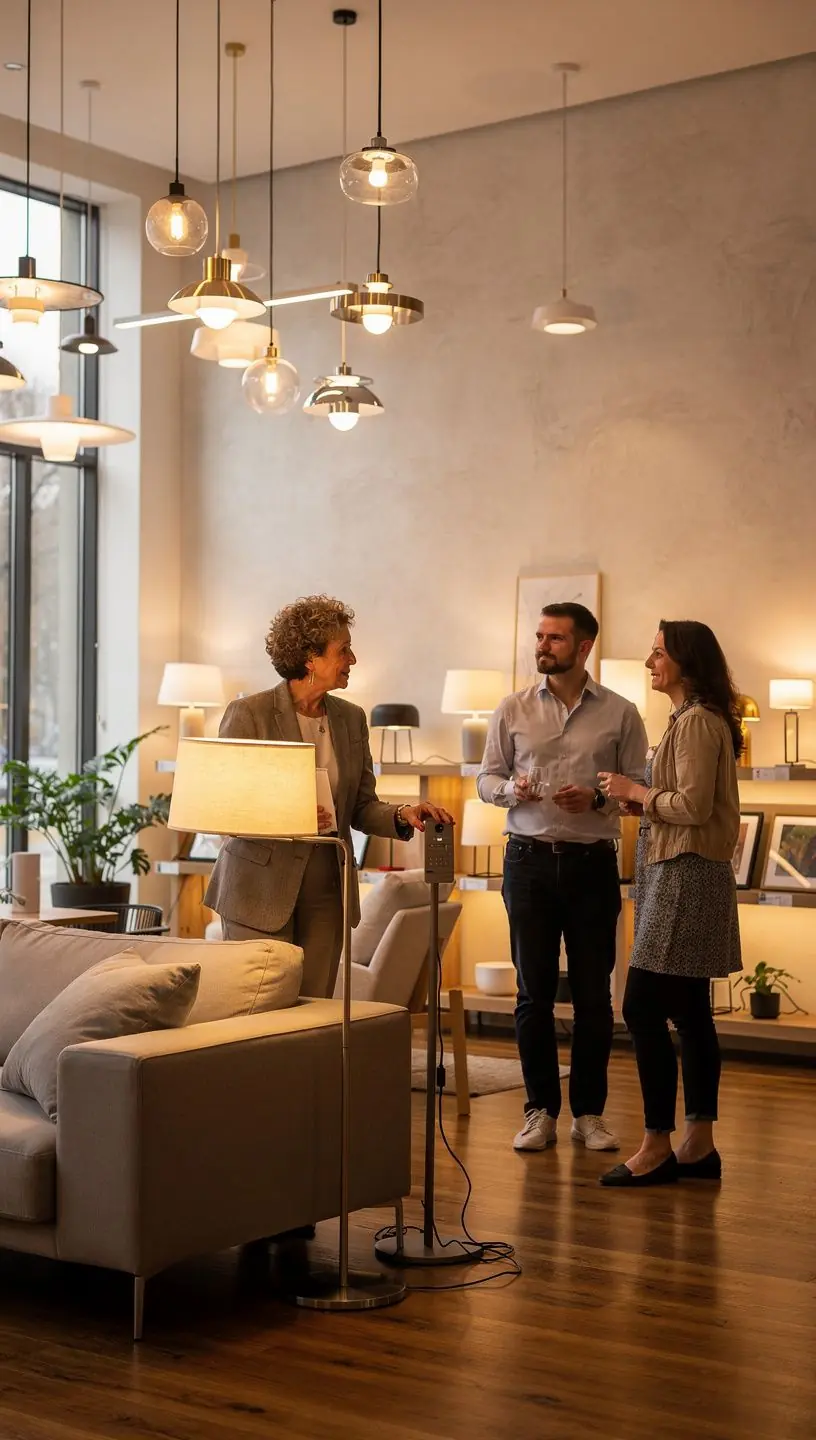
"Adopting energy-efficient lighting is a practical step towards a more sustainable home." – Environmental Lighting Expert
Types of Eco-Friendly Lighting Options
When considering eco-friendly lighting for your home, there are several options available:
- LED Bulbs: LED lights are known for their energy efficiency and longevity, often lasting up to 25,000 hours. They consume significantly less power than traditional bulbs, which can lead to lower energy costs.
- CFL Bulbs: Compact Fluorescent Lamps (CFLs) use about 70% less energy than incandescent bulbs and can last up to 10 times longer. However, they do contain a small amount of mercury, so proper disposal is essential.
- Solar Lighting: For outdoor areas, solar-powered lights harness energy from the sun, making them a sustainable option. They are typically easy to install and require no electricity, though their effectiveness can depend on sun exposure.
- Smart Lighting Solutions: Smart lighting systems can help minimize energy usage by allowing homeowners to control lights remotely or set schedules. These systems often incorporate LED technology, enhancing their eco-friendly appeal.
Benefits of Eco-Friendly Lighting
Switching to eco-friendly lighting options offers several advantages:
- Reduced Energy Costs: Many users report significant savings on their energy bills after switching to energy-efficient lighting. While the initial investment may be higher, the long-term savings often justify the cost.
- Environmental Impact: By reducing energy consumption, eco-friendly lighting contributes to lower carbon emissions. This is especially relevant in regions like Latvia, where sustainable practices are becoming increasingly important.
- Improved Aesthetics: Eco-friendly lighting solutions are available in various styles and designs, allowing homeowners to enhance their interior ambiance while making sustainable choices.
How to Transition to Eco-Friendly Lighting
Transitioning to eco-friendly lighting typically involves a few straightforward steps:
- Assess Current Lighting: Take inventory of your existing light fixtures and bulbs to determine where energy-efficient alternatives can be implemented.
- Research Options: Investigate various eco-friendly lighting options, considering factors such as brightness, color temperature, and energy consumption.
- Plan for Implementation: Depending on the number of fixtures being updated, the transition may take a few weeks. Consider making changes gradually to maintain consistency in your home’s lighting.
Conclusion
Exploring eco-friendly lighting options is a practical way to enhance your home’s atmosphere while supporting sustainability. By making informed choices and understanding your options, you can create a beautifully lit home that aligns with environmental responsibility. Remember, each step taken towards energy-efficient lighting not only benefits your household but also contributes to a larger commitment to a sustainable future.
Explore More