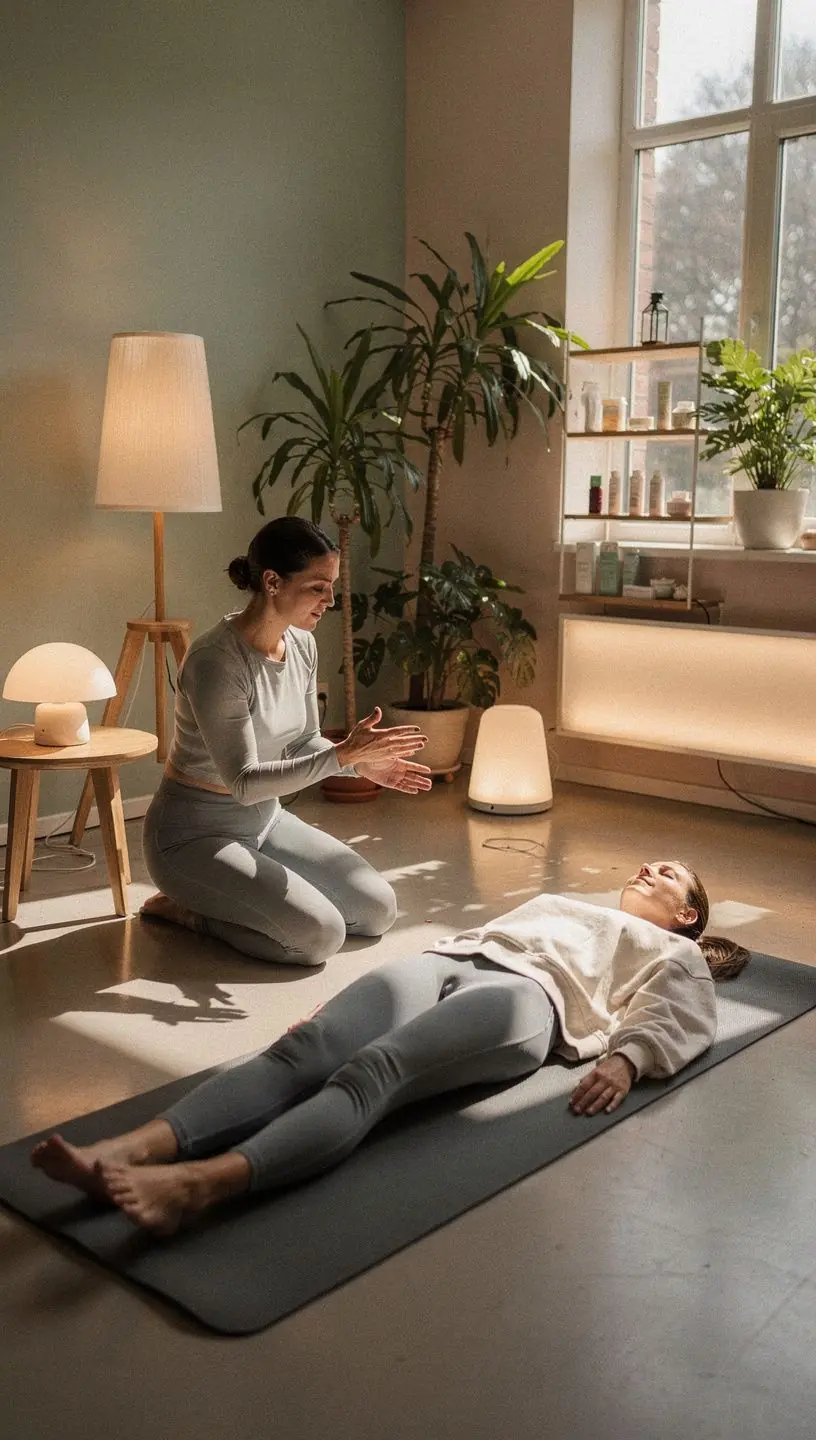
How to Choose the Right Lighting for Different Spaces
Choosing the right lighting is essential for creating the desired atmosphere in any space. This article will guide you through the principles of effective lighting design and practical tips to make informed decisions.
Understanding the Basics of Lighting
Lighting plays a crucial role in shaping the ambiance and functionality of a space. According to research by the Illuminating Engineering Society, effective lighting can enhance mood, improve productivity, and increase comfort levels. Experts recommend considering three main types of lighting: ambient, task, and accent lighting.
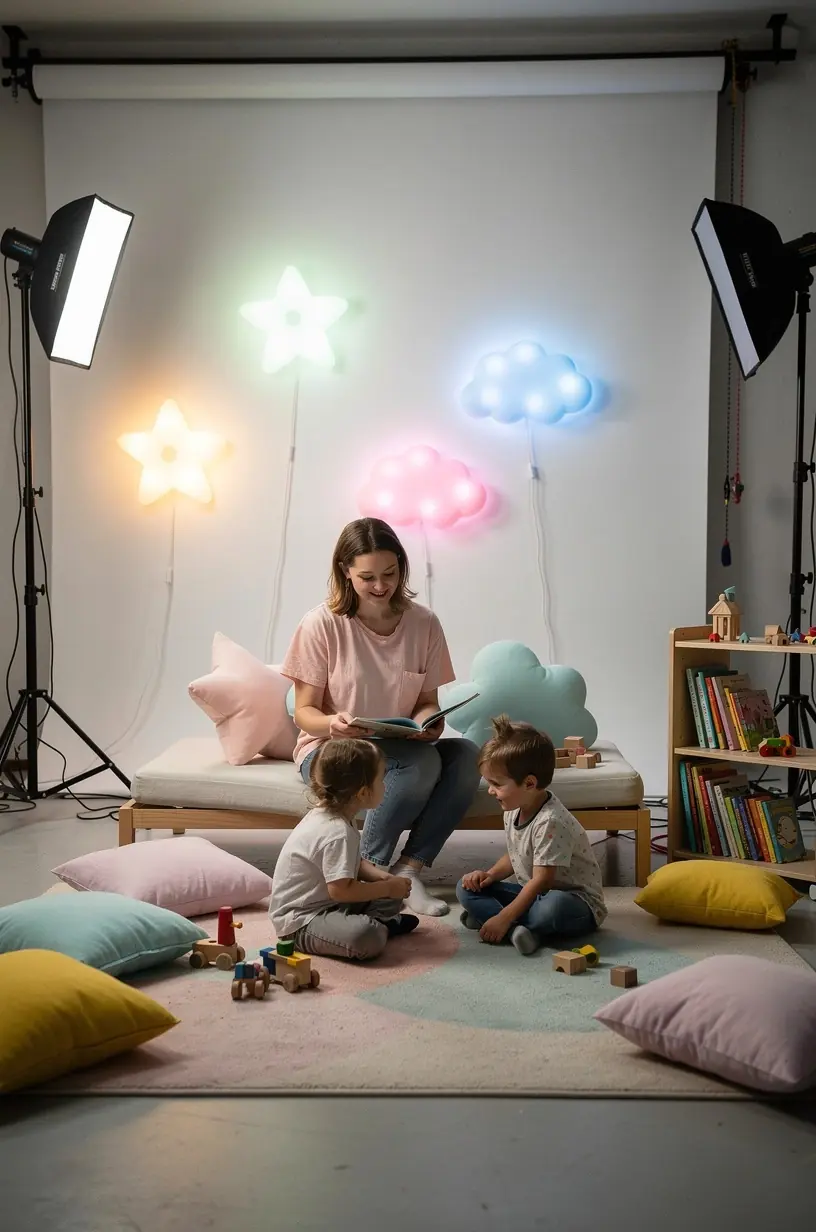
"The right lighting can transform a space, making it feel larger, cozier, or more inviting, depending on the needs." - Lighting Design Expert
Types of Lighting and Their Uses
- Ambient Lighting: This is the primary source of light in a room, providing overall illumination. It typically comes from ceiling fixtures or large floor lamps. In most cases, ambient lighting should be soft and even to create a welcoming atmosphere.
- Task Lighting: Designed for specific activities, task lighting includes desk lamps, under-cabinet lights, and reading lights. Research shows that adequate task lighting can reduce eye strain and enhance focus.
- Accent Lighting: This type of lighting adds drama and highlights certain features in a room, such as artwork or architectural elements. Industry experts suggest using accent lighting to create focal points, especially in larger spaces.
Consider the Purpose of Each Space
When selecting lighting, it’s essential to consider the function of each room. For instance:
- Living Room: Often serves as a social space, so a combination of ambient and accent lighting works well. Layering these types can help achieve a cozy ambiance.
- Kitchen: Requires bright task lighting for cooking and food preparation. Under-cabinet lights are particularly effective in providing focused illumination without shadows.
- Bedroom: Should promote relaxation. Soft, warm ambient lighting paired with task lighting for reading can create a calm environment.
Tips for Effective Lighting Design
Implementing a successful lighting design can involve several steps:
- Assess the natural light available in each room. Spaces with ample sunlight may require less artificial lighting during the day.
- Choose dimmable fixtures where possible. This allows for greater flexibility in adjusting the ambiance depending on the time of day or activity.
- Incorporate lighting controls such as smart home systems. Research indicates these systems can streamline lighting adjustments, making it easier to create the desired atmosphere.
Conclusion
Choosing the right lighting is a nuanced process that requires consideration of both the function and feel of each space. By understanding the different types of lighting and their applications, you can create environments that are not only beautiful but also practical. Remember, it’s essential to prioritize education and informed decision-making when it comes to lighting design, as these choices can significantly impact your daily life.
Explore More