The Science Behind Color Temperature and Mood
Color temperature plays a significant role in influencing our mood and well-being. Understanding how different light temperatures can affect our feelings and behaviors is essential for creating the right atmosphere in any interior space.
Understanding the Basics of Color Temperature
Color temperature, measured in Kelvin (K), describes the appearance of light emitted by a source. Typically, lower Kelvin values (2000K-3000K) produce warm light, while higher values (5000K-6500K) yield cool light. According to research from the American Lighting Association, the right color temperature can enhance comfort and productivity in various environments.
"Lighting affects not just visibility but also mood and productivity, with studies indicating a correlation between color temperature and emotional response."
The Psychological Effects of Warm and Cool Lighting
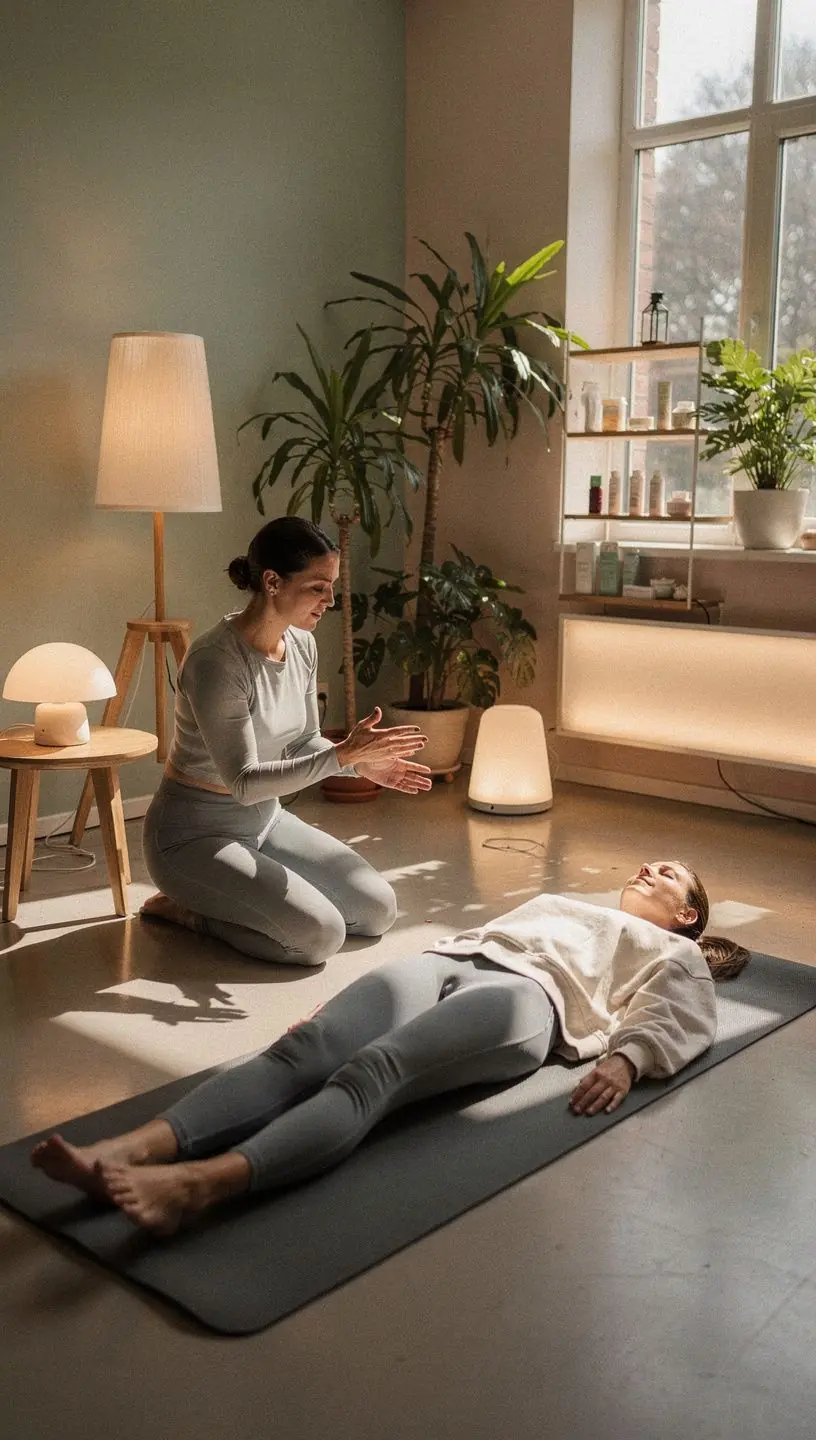
Warm lighting, often associated with candlelight or sunset, can evoke feelings of relaxation and comfort. Many users report that warm light helps create a cozy atmosphere, making it ideal for living areas and bedrooms. In contrast, cooler lighting mimics daylight and is often linked to increased alertness and focus, making it suitable for workspaces and kitchens.
Practical Applications of Color Temperature
- Living Spaces: For areas like the living room or bedroom, using warm light (around 2700K-3000K) may help foster a sense of calm.
- Work Environments: In professional settings, cooler light (4000K-5000K) can encourage concentration and enhance productivity by approximately 20-30%, as indicated by studies in workplace design.
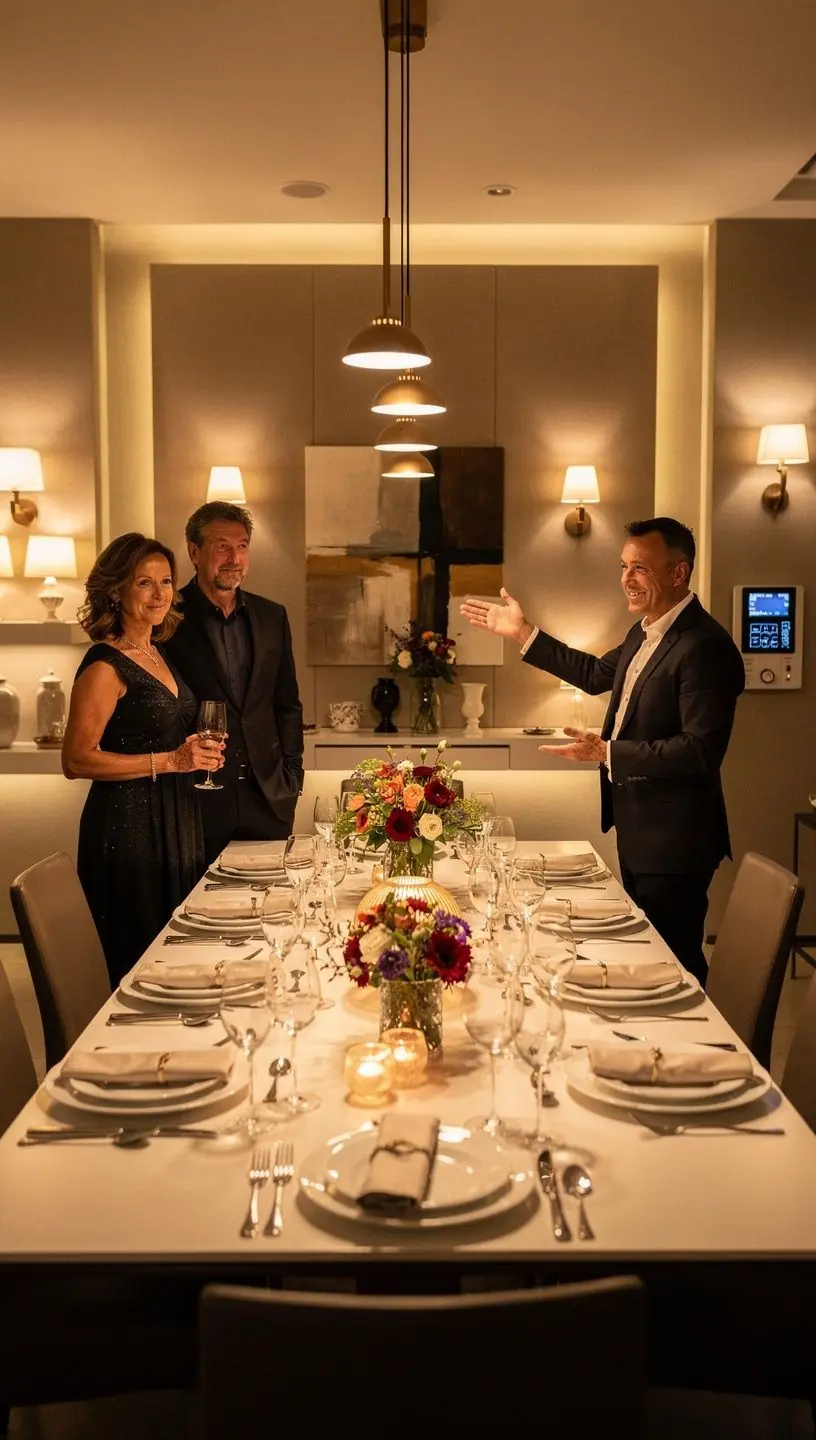
- Dining Areas: A blend of warm and cool light can create a balanced atmosphere that promotes social interaction while maintaining comfort.
Implementing Color Temperature in Your Space
When considering how to implement color temperature in your interior lighting design, it's important to take a systematic approach. This involves:
- Assessing the Function: Identify the primary use of the space. A home office may benefit from cooler, focused lighting, while a family room might require warmer tones.
- Experimenting with Fixtures: Different fixtures can emit various color temperatures, so it may take time to find the perfect combination that works for your needs.
- Adjusting Over Time: Mood and preferences can change, so being flexible with your lighting choices can help adapt to new needs. This typically requires a few adjustments over a couple of weeks to find the right balance.
Conclusion
Understanding the science behind color temperature and mood is crucial for creating inviting and functional spaces. By carefully selecting the right light temperature for each area, you can enhance your well-being and productivity. While there may be a learning curve in finding the ideal lighting setup, the effort can lead to significant improvements in comfort and satisfaction.