The Role of Lighting in Creating Outdoor Living Spaces
The integration of effective lighting in outdoor living spaces is essential for enhancing atmosphere and functionality. This article explores how proper lighting can transform your outdoor areas into inviting and usable environments.
Understanding the Basics of Outdoor Lighting
Outdoor lighting is not merely about visibility; it plays a critical role in creating mood and ambiance. According to industry experts, strategic lighting can highlight architectural features, improve safety, and extend the usability of outdoor spaces into the evening hours. Many users report that well-lit areas encourage more frequent use of patios, gardens, and other outdoor environments.
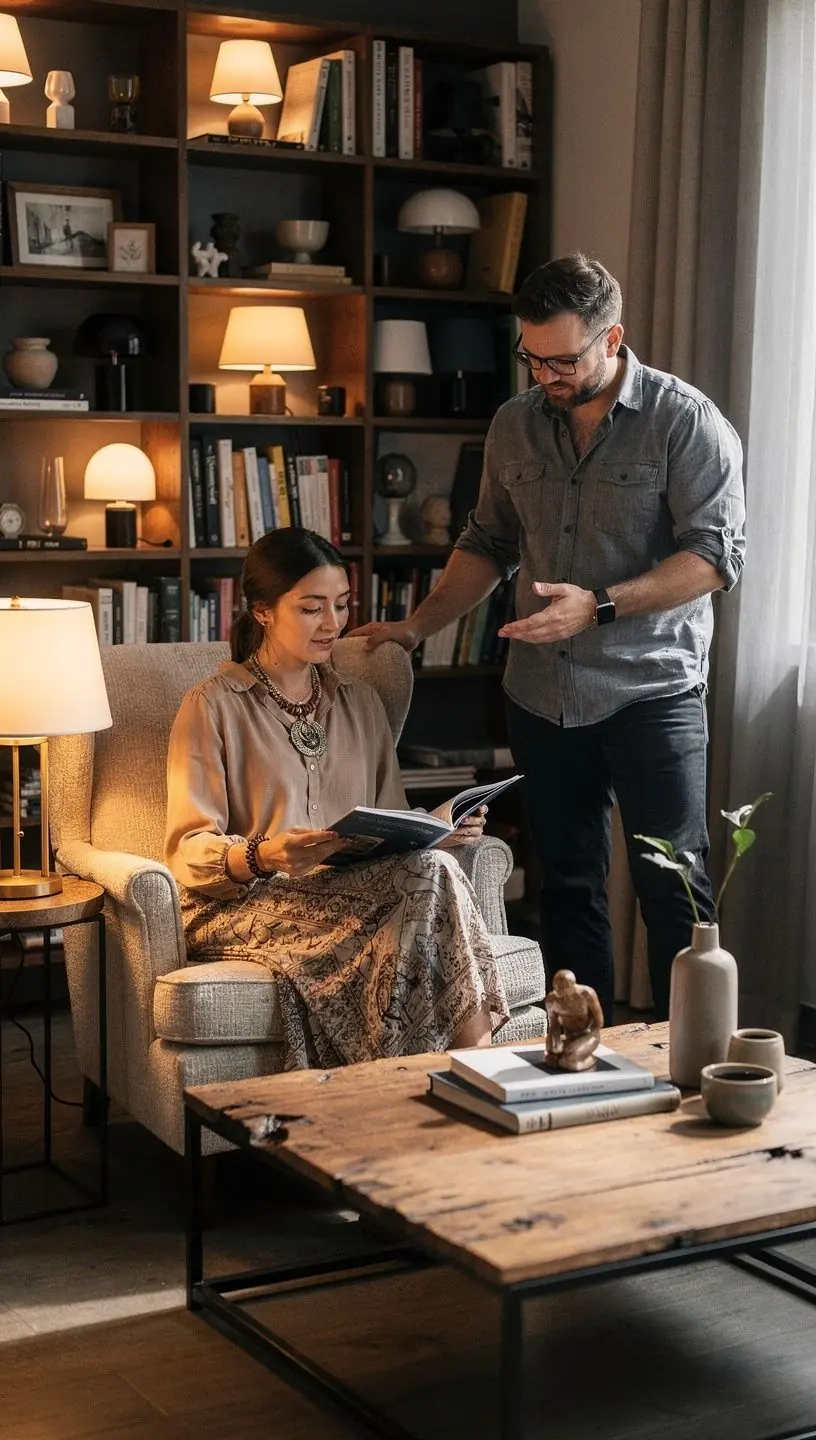
"Proper outdoor lighting can enhance aesthetics and improve the functionality of your living spaces." - Landscape Lighting Association
Types of Outdoor Lighting Solutions
There are several types of lighting solutions that can effectively enhance outdoor living spaces. Here are some commonly used options:
- Pathway lights: These increase safety by illuminating walkways and driveways, guiding guests through the space.
- Spotlights: Ideal for highlighting specific features like trees or sculptures, they can create dramatic effects.
- String lights: Often used for a festive atmosphere, they provide soft illumination that enhances the charm of gatherings.
- Deck and patio lights: Integrated into the structure, these lights typically create a cozy ambience while offering adequate visibility.
Creating the Right Atmosphere
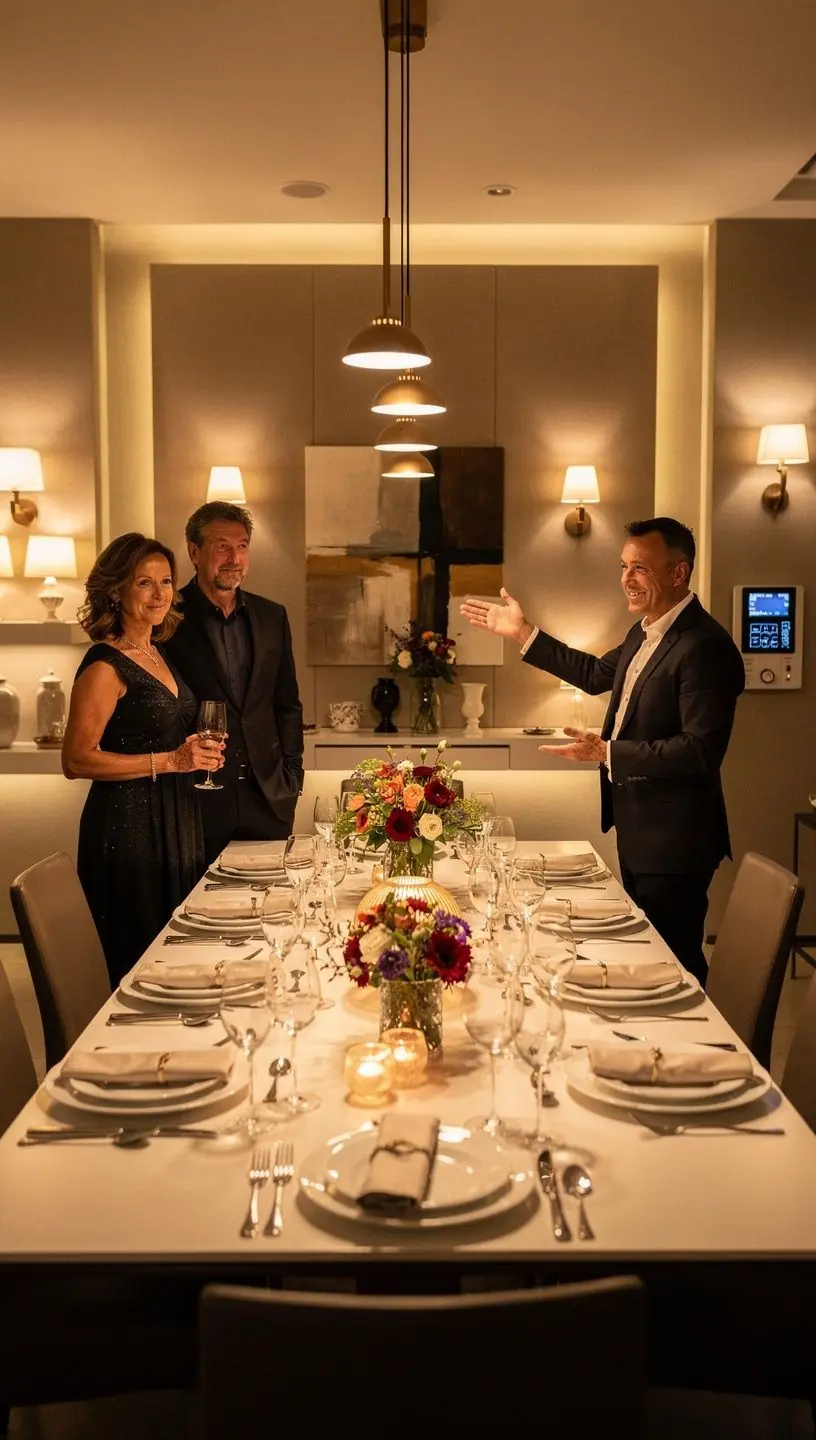
Creating a welcoming atmosphere through lighting involves considering both the intensity and color of the light. Research indicates that warm white lighting tends to be more inviting and relaxing, making it ideal for areas where people gather. In contrast, cooler lights may serve well for functional spaces like barbecues or kitchens.
Layering Light for Maximum Impact
A proven approach to outdoor lighting is to layer different types of lighting. This technique not only provides adequate illumination but also enhances the visual interest of the space. Typically, this involves:
- Using ambient lighting to establish the general illumination.
- Incorporating task lighting for specific activities.
- Adding accent lighting to highlight focal points.
This layered approach creates depth and character, transforming an ordinary outdoor area into a vibrant living space.
Design Considerations
When planning your outdoor lighting, several factors should be taken into account:
- Layout and Scale: Consider how your lighting will interact with the existing landscape and architecture to maintain balance and proportion.
- Energy Efficiency: LED lighting is often recommended for its energy efficiency and longevity, typically lasting ten times longer than traditional bulbs.
- Smart Technology: Integrating smart lighting systems allows for customizable control, which can contribute to energy savings and convenience.
Conclusion
The role of lighting in outdoor living spaces is multifaceted, influencing not only aesthetics but also usability and safety. By implementing a thoughtful lighting plan that considers different lighting types and their placement, homeowners can create inviting atmospheres that encourage outdoor enjoyment. As research indicates, this comprehensive approach can significantly enhance the overall appeal and functionality of outdoor areas.