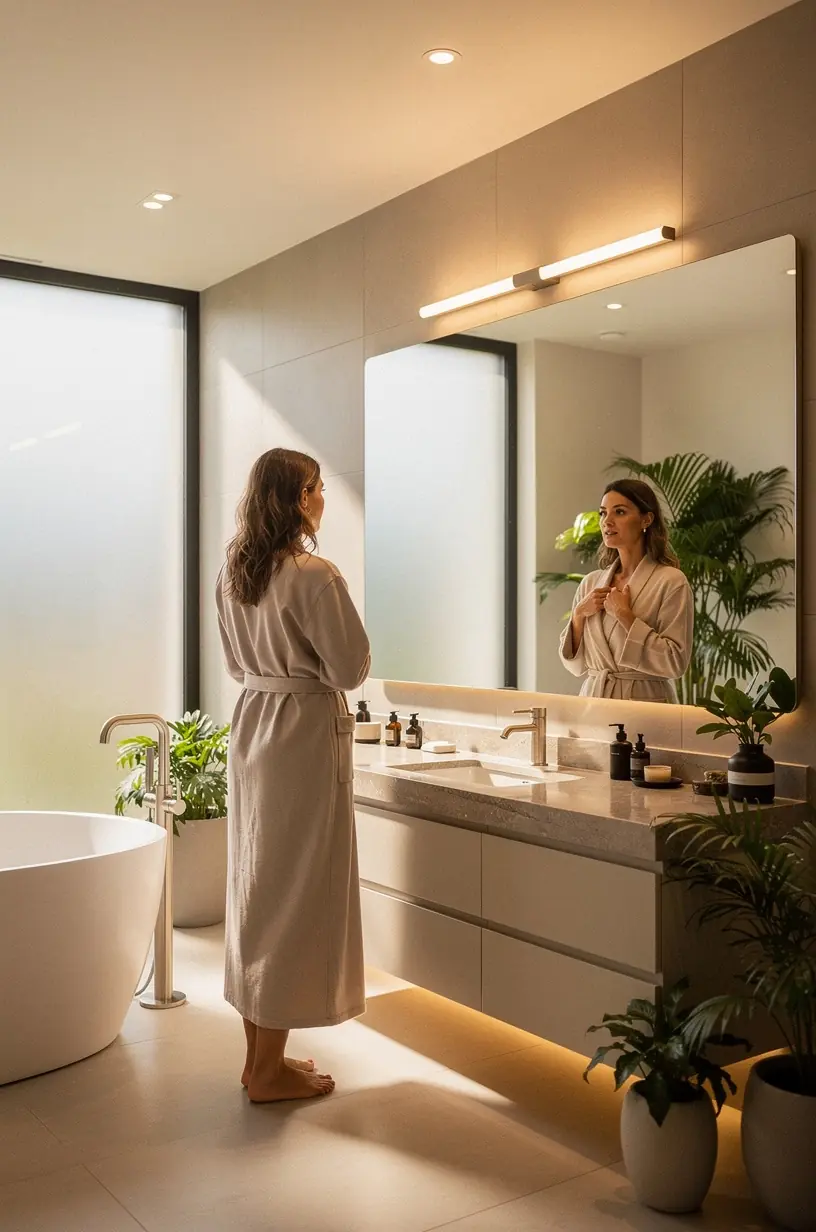
The Importance of Lighting in Home Staging
Lighting plays a crucial role in home staging, impacting the perception of space, mood, and overall appeal. Understanding how to effectively use lighting can enhance the staging process and lead to quicker sales.
Understanding the Basics of Home Staging Lighting
Lighting is more than just a practical necessity; it is a vital element in creating an inviting atmosphere in a staged home. According to research, well-lit spaces can make rooms appear larger and more appealing to potential buyers. Experts suggest that proper lighting can significantly influence buyers' emotions, often leading to more favorable impressions and quicker offers.
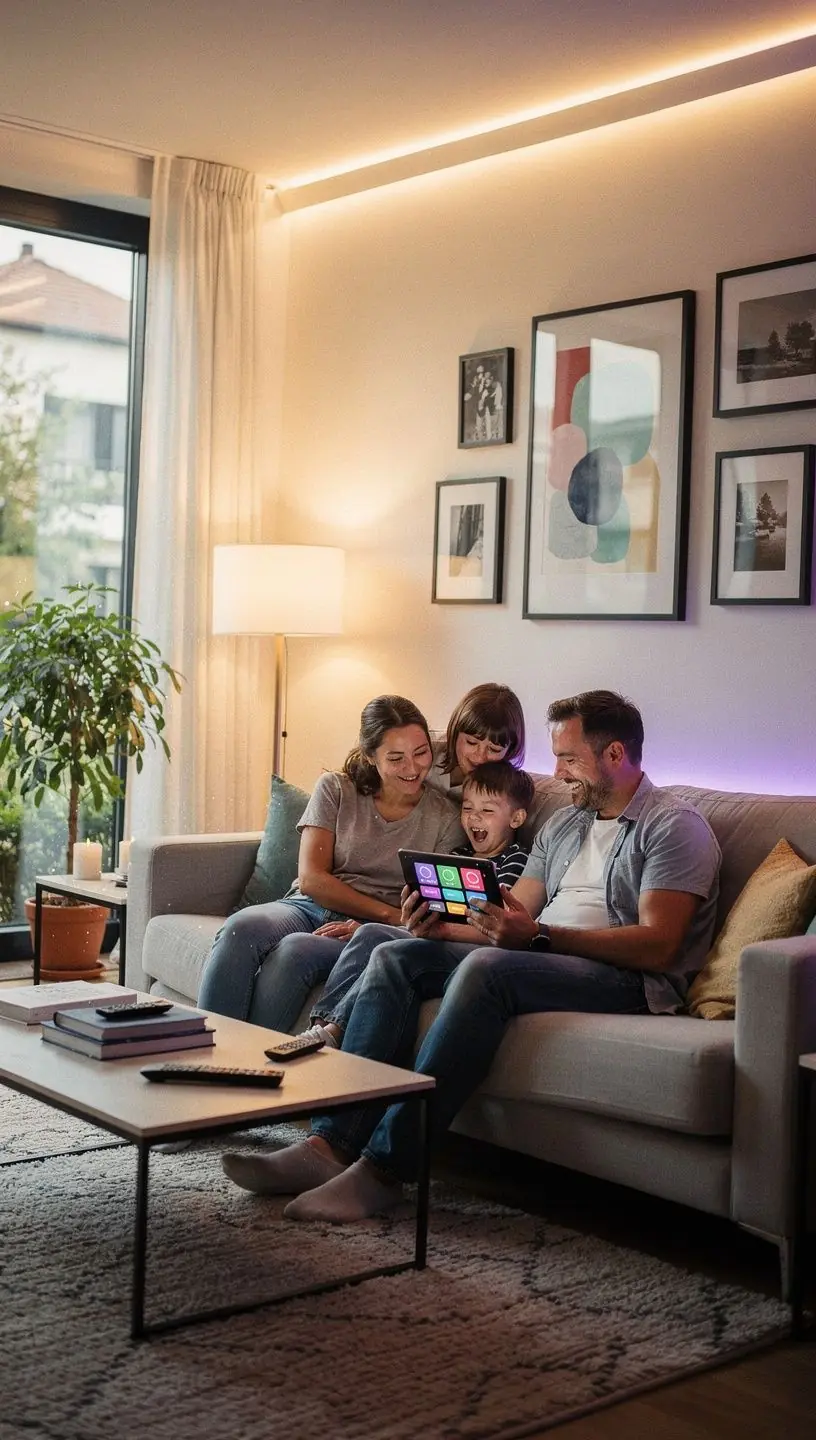
"Lighting can transform the feel of a space, making it feel warm and inviting, which is essential in home staging." - Interior Design Expert
Types of Lighting to Consider
When staging a home, it is important to consider the various types of lighting, each serving a different purpose:
- Ambient Lighting: This is the general illumination of a space. It allows for a comfortable level of brightness without overwhelming the senses. Soft, diffused lighting is often preferred.
- Task Lighting: Task lighting focuses on specific areas where activities will occur, such as reading lamps or pendant lights over kitchen islands. This type of lighting can enhance functionality.
- Accent Lighting: Accent lighting highlights specific features of a home, such as artwork or architectural details, creating visual interest and depth.
Creating the Right Atmosphere
The right lighting can evoke emotions that make a home more appealing. Studies show that warm, soft light often creates a cozy and inviting atmosphere, while cooler, brighter lights can make a space feel more modern and open. Understanding the mood you want to create is essential:
- For a warm and homey feel, use soft white or warm yellow bulbs.
- To create a contemporary vibe, brighter lights with a cooler color temperature may be more effective.
In most cases, layering different types of lighting helps achieve a balance that showcases the home's best features while minimizing any drawbacks.
Implementing Lighting Strategies Effectively
To implement effective lighting strategies, consider the following steps:
- Assess each room's natural light and consider how it changes throughout the day. This will guide your lighting choices.
- Use a combination of ambient, task, and accent lighting to create layers of light that enhance the space.
- Incorporate dimmers to adjust light intensity, allowing flexibility based on time of day and desired ambiance.
- Ensure that all lighting fixtures are clean and functional, as this reflects the overall maintenance of the home.
Conclusion
In conclusion, lighting is a fundamental aspect of home staging that can significantly influence how potential buyers perceive a property. By understanding the different types of lighting and their effects, homeowners and stagers can create a welcoming atmosphere that resonates with buyers. Remember, the right lighting technique may take time to master and requires careful consideration of each space's unique characteristics. However, the effort invested in staging with thoughtful lighting can lead to improved buyer interest and potentially faster sales.
Explore More